Home › Mammalia › Leporidae › Mountain Hare (Lepus timidus)
SPECIES PROFILE
Mountain Hare (Lepus timidus)
Lepus
IUCN STATUS
Least Concern

CONSERVATION STATUS
Least Concern
CLASS
Mammalia
GEOGRAPHICAL RANGE
Northern Europe, Alps, Scotland, Scandinavia
DIET
Herbivorous
HABITAT
Upland moors, mountains, tundra
🔬 Classification
PHYLUM
Chordata
CLASS
Mammalia
ORDER
Lagomorpha
FAMILY
Leporidae
GENUS
Lepus
📋 Description
SIZE
45-65 cm body, 2-5 kg
COLORATION
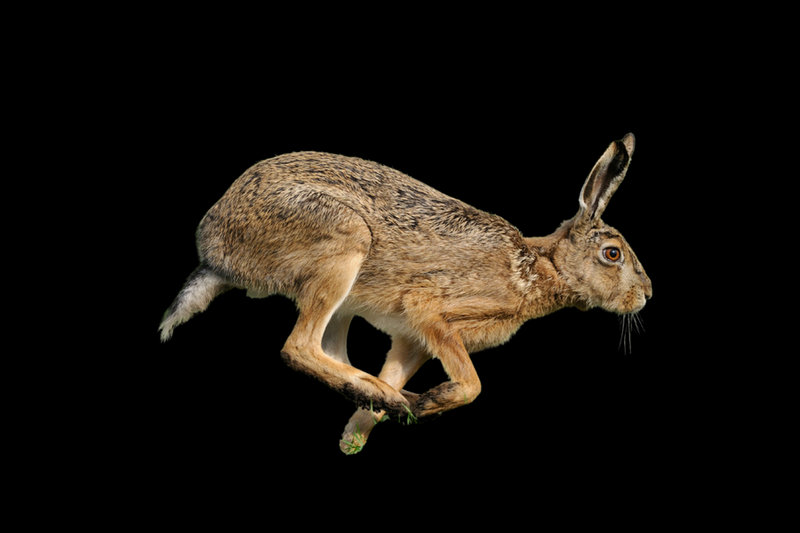
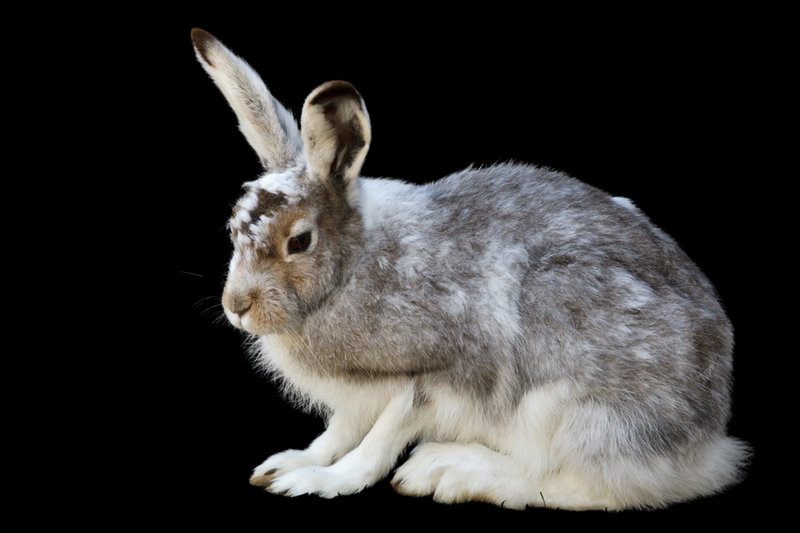
Summer brown/grey, winter white (except black ear tips)
ADAPTATIONS
Seasonal camouflage, large feet for snow, high-altitude adaptations
🌿 Ecology
HABITAT
Upland moors, mountains, tundra
DIET
Herbivorous
GEOGRAPHIC RANGE
Northern Europe, Alps, Scotland, Scandinavia
REPRODUCTION
1-3 leverets, 2-3 litters per year
DIET DETAILS
Grasses, heather, twigs, bark
⚠️ Threats & Conservation
PRIMARY THREATS
Climate change, habitat fragmentation, predation
💡 Interesting Facts
1
Mountain hares change coat colour twice a year for camouflage. They have specially enlarged hind feet that act like snowshoes. They are active day and night and can survive extreme cold.
2
They are the only hare native to the British uplands and are an iconic species of Scottish moorland.
🔭 Sighting Guide
📍 BEST PLACES TO SIGHT
Cairngorms National Park UK
Scottish Highlands
Alps Switzerland
🗓️ BEST TIME TO SIGHT
Year-round (best winter for white coat)
🎯 SIGHTING TIPS
Look for white winter coat on high moors; watch for leverets in summer heather.