Home › Mammalia › Canidae › Eastern Wolf (Canis lycaon)
SPECIES PROFILE
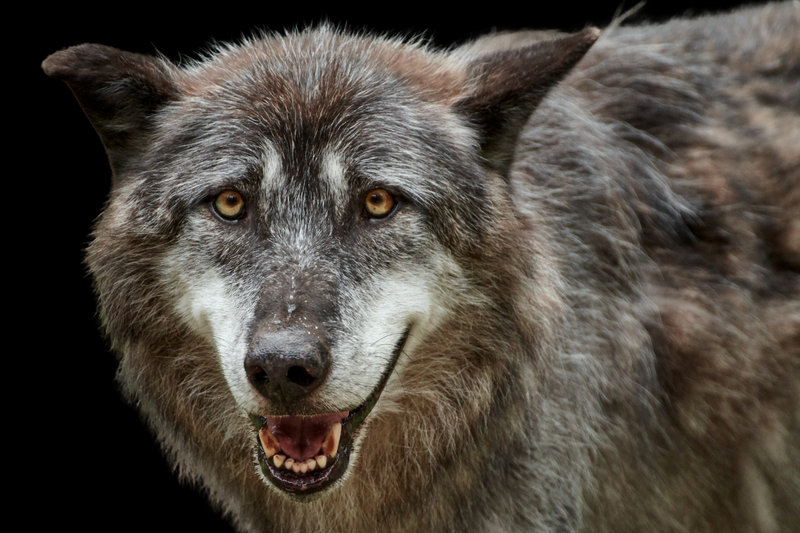
Eastern Wolf (Canis lycaon)
Canis
IUCN STATUS
Special Concern

CONSERVATION STATUS
Special Concern
CLASS
Mammalia
GEOGRAPHICAL RANGE
Ontario and Quebec; core range centred on Algonquin Provincial Park; hybridises with coyotes outside protected areas
DIET
Carnivore
HABITAT
Mixed and deciduous forest of the southern Canadian Shield and Great Lakes region
🔬 Classification
PHYLUM
Chordata
CLASS
Mammalia
ORDER
Carnivora
FAMILY
Canidae
GENUS
Canis
📋 Description
SIZE
23–41 kg; body length 105–130 cm
COLORATION
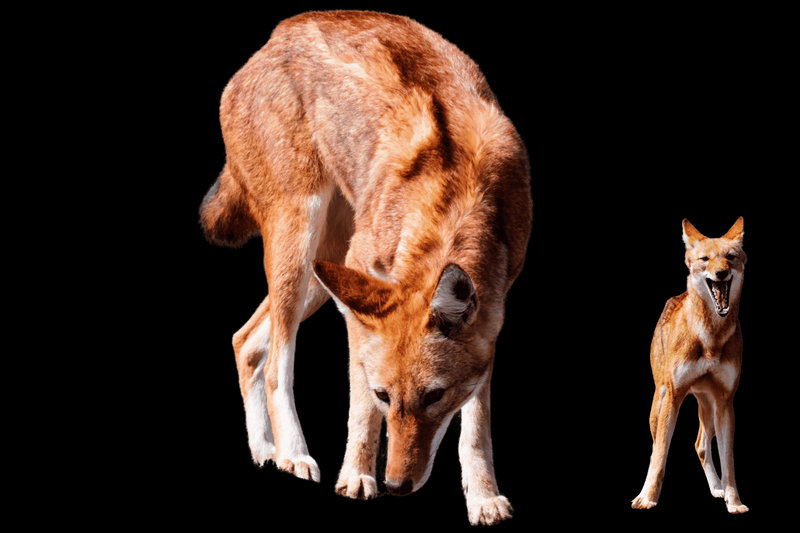
Tawny grey-brown coat often reddish on the face and legs; smaller and more lightly built than the Grey Wolf
ADAPTATIONS
Adapted to hunting White-tailed Deer in forests; pack hunting with coordinated ambush strategies
🌿 Ecology
HABITAT
Mixed and deciduous forest of the southern Canadian Shield and Great Lakes region
DIET
Carnivore
GEOGRAPHIC RANGE
Ontario and Quebec; core range centred on Algonquin Provincial Park; hybridises with coyotes outside protected areas
REPRODUCTION
Pack-based social structure with a dominant breeding pair; 4–7 pups born in spring in a den or hollow
DIET DETAILS
White-tailed deer is the primary prey; also moose, beaver, hares, and small mammals
⚠️ Threats & Conservation
PRIMARY THREATS
Hunting and trapping outside park boundaries; hybridisation diluting genetics; habitat fragmentation
💡 Interesting Facts
1
The Eastern Wolf is a distinct species recognised by Canadian authorities and is considered ancestral to the Red Wolf of the southeastern US.
2
Algonquin's public wolf howl programme began in 1963 and is one of the longest-running wildlife tourism events in North America.
🔭 Sighting Guide
📍 BEST PLACES TO SIGHT
Algonquin Provincial Park, ON, is the core stronghold for wild Eastern Wolf populations in Canada
Frontenac Provincial Park near Kingston, ON, has Eastern Wolf packs at the southern edge of their range
Parc national du Mont-Tremblant, QC, supports Eastern Wolf packs in boreal and mixed forest
🗓️ BEST TIME TO SIGHT
Public wolf howl evenings in Algonquin each August are world-famous; dusk in late October offers chances to hear packs communicate.
🎯 SIGHTING TIPS
Year-round. Howling surveys in Algonquin Provincial Park in late summer offer the most reliable encounters.