Home › Mammalia › Bovidae › Cape Buffalo (Syncerus caffer)
SPECIES PROFILE
Cape Buffalo (Syncerus caffer)
Syncerus
IUCN STATUS
Least Concern

CONSERVATION STATUS
Least Concern
CLASS
Mammalia
GEOGRAPHICAL RANGE
Sub-Saharan Africa
DIET
Herbivorous
HABITAT
Savannas, woodlands, near water
🔬 Classification
PHYLUM
Chordata
CLASS
Mammalia
ORDER
Artiodactyla
FAMILY
Bovidae
GENUS
Syncerus
📋 Description
SIZE
2.1-3.4 m (body), 425-870 kg
COLORATION
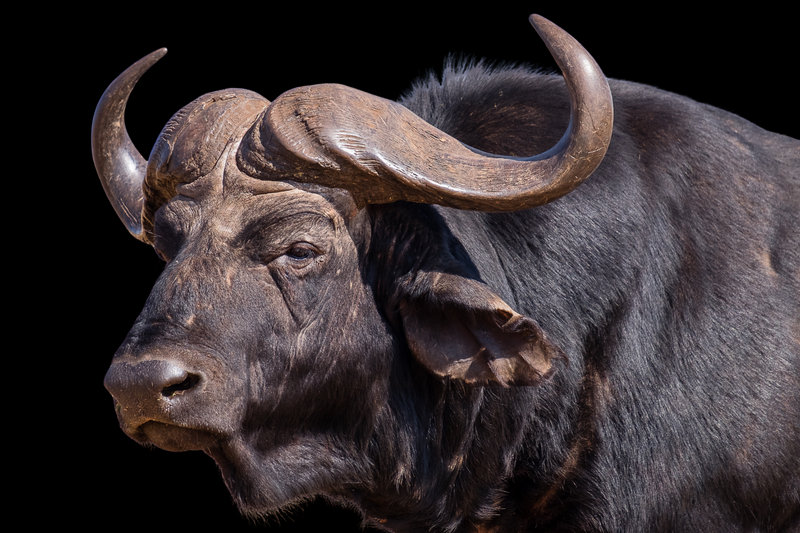
Dark brown to black; large curved horns
ADAPTATIONS
Herd defense; thick hide resists predators
🌿 Ecology
HABITAT
Savannas, woodlands, near water
DIET
Herbivorous
GEOGRAPHIC RANGE
Sub-Saharan Africa
REPRODUCTION
Gestation 11.5 months, 1 calf; calf with herd
DIET DETAILS
Grasses, some shrubs
⚠️ Threats & Conservation
PRIMARY THREATS
Habitat loss, disease (e.g., rinderpest)
💡 Interesting Facts
1
Herd Protection: Cape buffalo form tight-knit herds that circle around vulnerable members when threatened, using their horns to fend off lions and even kill attackers. This collective defense makes them one of the few prey species that can turn the tables on predators.
2
Unpredictable Fury: Known as 'Black Death', they've earned a fearsome reputation among hunters for charging without warning, with old solitary bulls being especially dangerous. Their aggression stems from a mix of territorial instinct and sheer physical power.
🔭 Sighting Guide
📍 BEST PLACES TO SIGHT
Kruger National Park, South Africa
Chobe National Park, Botswana
Selous Game Reserve, Tanzania
🗓️ BEST TIME TO SIGHT
May-October: Dry season concentrates buffalo herds around waterholes for easier viewing.
🎯 SIGHTING TIPS
Visit waterholes at dusk during game drives to observe large buffalo herds.