Home › Mammalia › Sciuridae › Siberian Chipmunk (Tamias sibiricus)
SPECIES PROFILE
Siberian Chipmunk (Tamias sibiricus)
Tamias
IUCN STATUS
Least Concern

CONSERVATION STATUS
Least Concern
CLASS
Mammalia
GEOGRAPHICAL RANGE
Siberia, introduced Europe
DIET
Omnivorous
HABITAT
Conifer and mixed forests
🔬 Classification
PHYLUM
Chordata
CLASS
Mammalia
ORDER
Rodentia
FAMILY
Sciuridae
GENUS
Tamias
📋 Description
SIZE
12-18 cm body + tail, 80-120 g
COLORATION
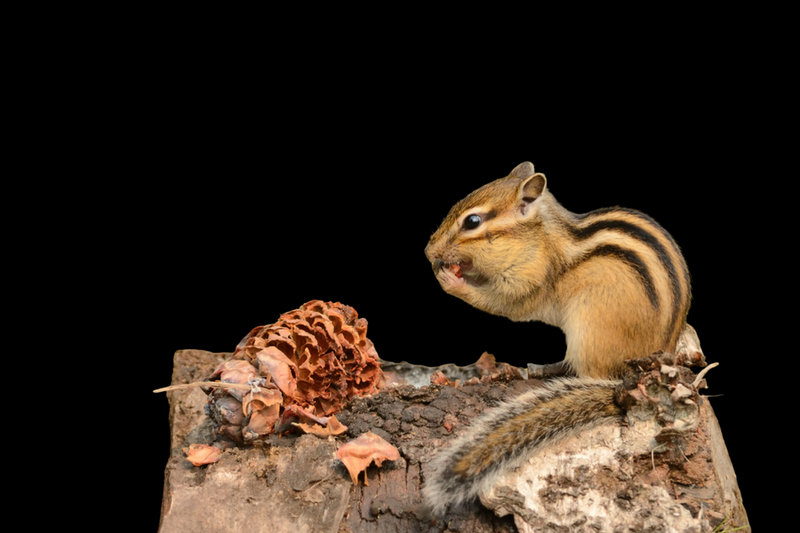
Brown with 5 dark stripes
ADAPTATIONS
Food caching, hibernation, cheek pouches
🌿 Ecology
HABITAT
Conifer and mixed forests
DIET
Omnivorous
GEOGRAPHIC RANGE
Siberia, introduced Europe
REPRODUCTION
4-6 young, 1 litter per year
DIET DETAILS
Seeds, nuts, berries, insects
⚠️ Threats & Conservation
PRIMARY THREATS
Habitat loss, pet trade
💡 Interesting Facts
1
The Siberian chipmunk has five bold dark stripes and stores food in cheek pouches. It hibernates in winter.
2
It has become invasive in parts of Europe after escapes from captivity.
🔭 Sighting Guide
📍 BEST PLACES TO SIGHT
Siberian taiga (native)
Fontainebleau Forest France
🗓️ BEST TIME TO SIGHT
Year-round
🎯 SIGHTING TIPS
Look for striped chipmunks in forests; they are very tame in some areas.