Home › Mammalia › Sciuridae › Alpine Marmot (Marmota marmota)
SPECIES PROFILE
Alpine Marmot (Marmota marmota)
Marmota
IUCN STATUS
Least Concern


CONSERVATION STATUS
Least Concern
CLASS
Mammalia
GEOGRAPHICAL RANGE
Alps, Carpathians, introduced elsewhere
DIET
Herbivorous
HABITAT
Alpine meadows, rocky slopes
🔬 Classification
PHYLUM
Chordata
CLASS
Mammalia
ORDER
Rodentia
FAMILY
Sciuridae
GENUS
Marmota
📋 Description
SIZE
40-60 cm body, 3-8 kg
COLORATION
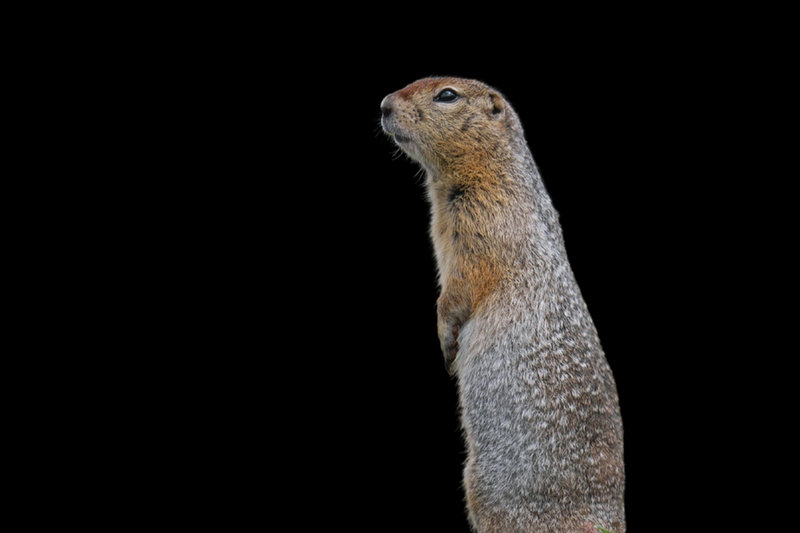
Brown fur, white muzzle
ADAPTATIONS
Hibernation, burrowing, social colonies
🌿 Ecology
HABITAT
Alpine meadows, rocky slopes
DIET
Herbivorous
GEOGRAPHIC RANGE
Alps, Carpathians, introduced elsewhere
REPRODUCTION
2-6 young, 1 litter per year
DIET DETAILS
Grasses, herbs, flowers
⚠️ Threats & Conservation
PRIMARY THREATS
Climate change, tourism disturbance
💡 Interesting Facts
1
Alpine marmots hibernate for 6-7 months in large family burrows. They produce loud alarm whistles when predators approach.
2
They are the largest squirrel in Europe and live in social colonies.
🔭 Sighting Guide
📍 BEST PLACES TO SIGHT
Hohe Tauern Austria
Swiss Alps
Dolomites Italy
🗓️ BEST TIME TO SIGHT
Summer (active May-Oct)
🎯 SIGHTING TIPS
Look for large brown marmots sunbathing on alpine meadows; listen for whistles.