Home › Reptilia › Gavialidae › Gharial (Gavialis gangeticus)
SPECIES PROFILE
Gharial (Gavialis gangeticus)
Gavialis
IUCN STATUS
Critically Endangered

CONSERVATION STATUS
Critically Endangered
CLASS
Reptilia
GEOGRAPHICAL RANGE
Ganges, Chambal, and tributaries
DIET
Carnivorous
HABITAT
Rivers, deep pools
🔬 Classification
PHYLUM
Chordata
CLASS
Reptilia
ORDER
Crocodilia
FAMILY
Gavialidae
GENUS
Gavialis
📋 Description
SIZE
Males 4-6 meters, females 3-4 meters, up to 900 kg
COLORATION
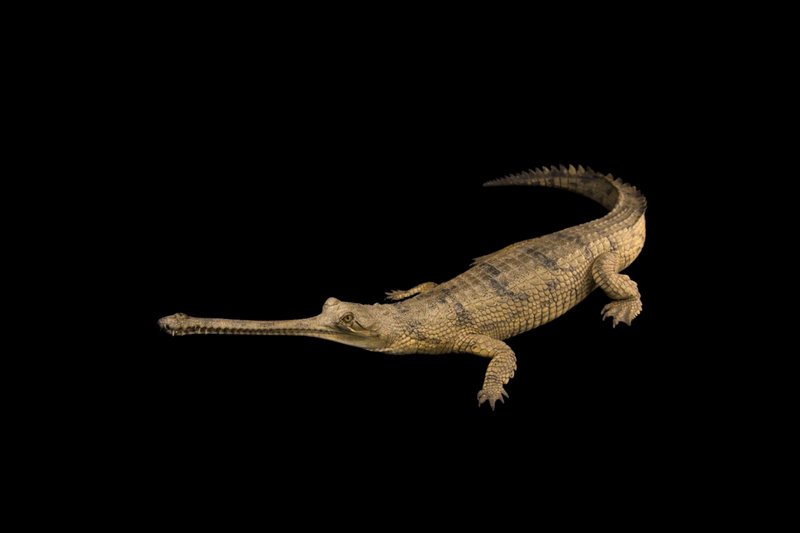
Olive-green, lighter underparts; long, narrow snout
ADAPTATIONS
Long snout for fish, bulbous tip in males for vocalization
🌿 Ecology
HABITAT
Rivers, deep pools
DIET
Carnivorous
GEOGRAPHIC RANGE
Ganges, Chambal, and tributaries
REPRODUCTION
Lays 30-50 eggs in sand, hatch 60-80 days
DIET DETAILS
Fish, crustaceans
⚠️ Threats & Conservation
PRIMARY THREATS
Pollution, river damming, fishing nets
💡 Interesting Facts
1
Fish Specialists: Gharials' thin snouts snatch 5 kg of fish daily in Chambal's rivers with 800 adults surviving. Their 6-meter bodies rely on breeding programs for recovery.
2
Cultural Symbol: Depicted in Mughal art their bulbous snout tips signal maturity in Katarniaghat's waters. With 2000 juveniles released annually sanctuaries protect their 1000 km range.
🔭 Sighting Guide
📍 BEST PLACES TO SIGHT
Chambal Sanctuary in Madhya Pradesh Chambal River is a prime gharial habitat
National Chambal Sanctuary in Uttar Pradesh Ganges tributary hosts gharial sightings
Katarniaghat Wildlife Sanctuary in Uttar Pradesh Girwa River offers gharial sightings
🗓️ BEST TIME TO SIGHT
November-March. Dry season concentrates gharials in rivers for basking.
🎯 SIGHTING TIPS
Join guided boat tours at midday to see gharials basking on sandbanks.
🐾 You Might Also Want to See...

Species
Range
Status
Species
Range
Status
Species
Range
Status
Species
Range
Status