Home › Actinopterygii › Pomacentridae › Clownfish (Amphiprion spp.)
SPECIES PROFILE
Clownfish (Amphiprion spp.)
Amphiprion
IUCN STATUS
Least Concern

CONSERVATION STATUS
Least Concern
CLASS
Actinopterygii
GEOGRAPHICAL RANGE
East African coast, Indo-Pacific
DIET
Omnivorous
HABITAT
Coral reefs, coastal waters
🔬 Classification
PHYLUM
Chordata
CLASS
Actinopterygii
ORDER
Perciformes
FAMILY
Pomacentridae
GENUS
Amphiprion
📋 Description
SIZE
6-11 cm, 0.02-0.1 kg
COLORATION
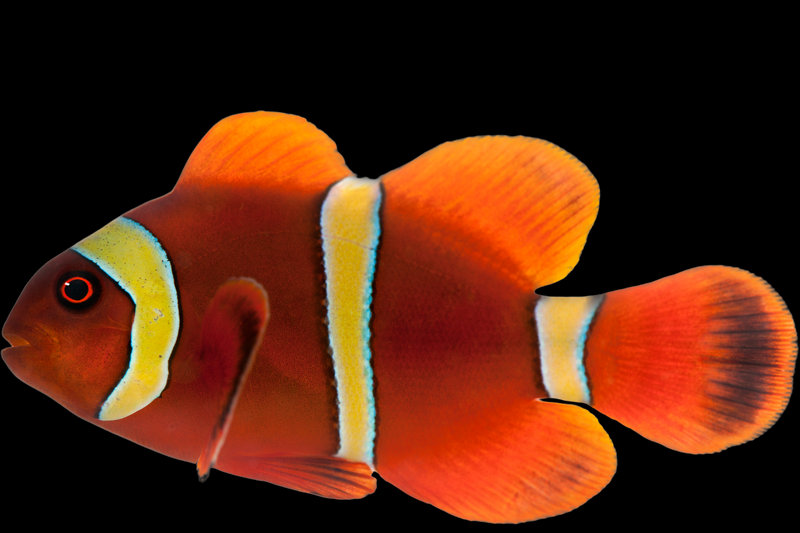
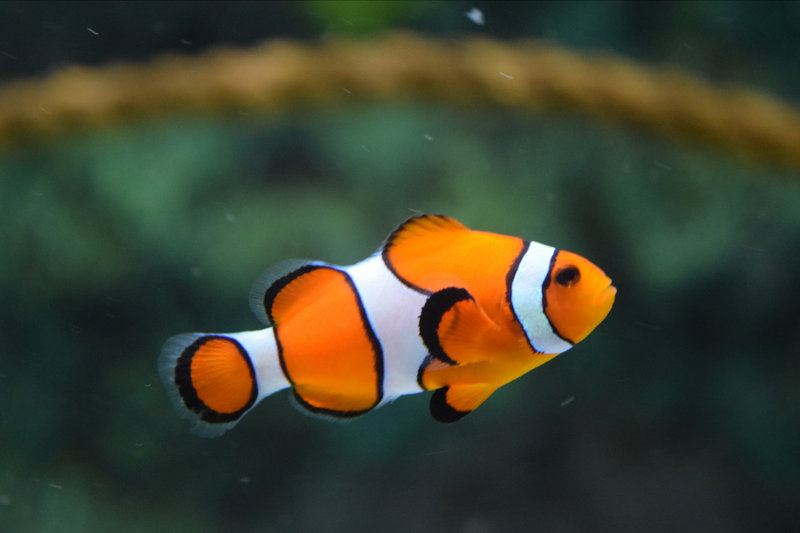
Orange with white stripes, black outlines
ADAPTATIONS
Symbiosis with anemones; mucus protects from stings
🌿 Ecology
HABITAT
Coral reefs, coastal waters
DIET
Omnivorous
GEOGRAPHIC RANGE
East African coast, Indo-Pacific
REPRODUCTION
Eggs on substrate; males guard
DIET DETAILS
Algae, plankton, small invertebrates
⚠️ Threats & Conservation
PRIMARY THREATS
Coral bleaching, aquarium trade
💡 Interesting Facts
1
Anemone Allies: Clownfish live among stinging anemones, coated in mucus that shields them from toxins, a partnership that protects them from predators while they feed the anemone scraps. This symbiosis is a delicate dance of mutual benefit, immortalized by "Finding Nemo".
2
Gender Benders: They're sequential hermaphrodites, with dominant males turning female if the matriarch dies, a fluid switch that keeps breeding pairs intact in small colonies. This adaptability ensures their reef homes stay populated despite losses.
🔭 Sighting Guide
📍 BEST PLACES TO SIGHT
Mnemba Atoll, Tanzania
Bazaruto Archipelago, Mozambique
Aliwal Shoal, South Africa
🗓️ BEST TIME TO SIGHT
June-March: Calmer seas improve diving conditions for spotting clownfish in anemones.
🎯 SIGHTING TIPS
Dive with certified operators to find clownfish in anemone patches.