Home › Actinopterygii › Pomacentridae › Clownfish (Amphiprioninae)
SPECIES PROFILE
Clownfish (Amphiprioninae)
Amphiprioninae
IUCN STATUS
Least Concern

CONSERVATION STATUS
Least Concern
CLASS
Actinopterygii
GEOGRAPHICAL RANGE
Andaman and Nicobar Islands, Lakshadweep
DIET
Omnivorous
HABITAT
Coral reefs
🔬 Classification
PHYLUM
Chordata
CLASS
Actinopterygii
ORDER
Perciformes
FAMILY
Pomacentridae
GENUS
Amphiprioninae
📋 Description
SIZE
8-12 cm long, 50-100 grams
COLORATION
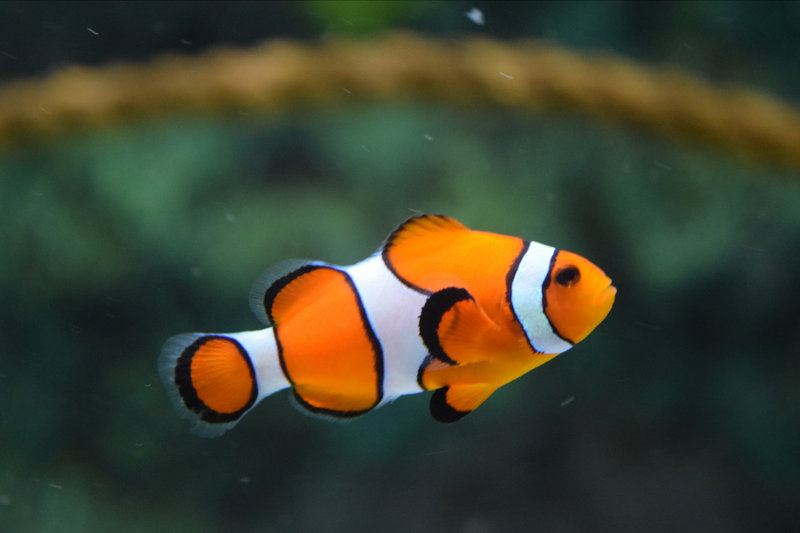
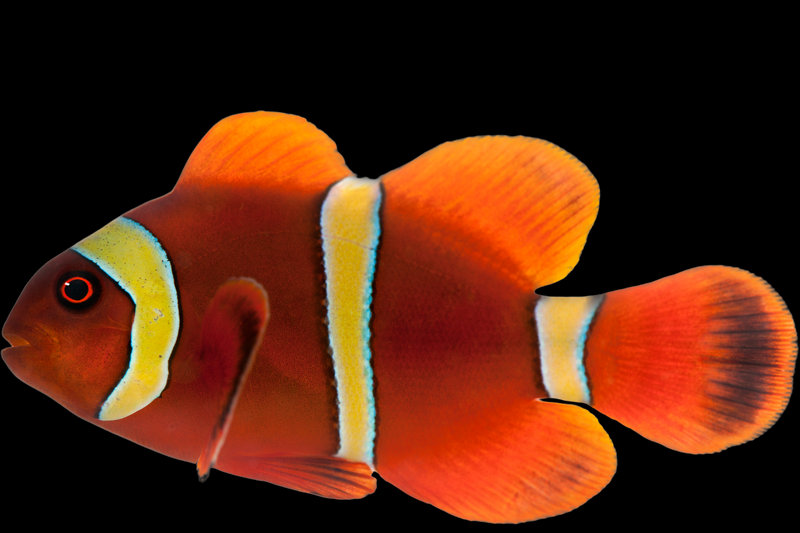
Bright orange with black stripes outlined in white
ADAPTATIONS
Symbiotic with sea anemones, immune to stings
🌿 Ecology
HABITAT
Coral reefs
DIET
Omnivorous
GEOGRAPHIC RANGE
Andaman and Nicobar Islands, Lakshadweep
REPRODUCTION
Lays 100-1,000 eggs on coral, hatch 6-10 days
DIET DETAILS
Algae, plankton, small crustaceans
⚠️ Threats & Conservation
PRIMARY THREATS
Coral bleaching, aquarium trade
💡 Interesting Facts
1
Anemone Allies: Clownfish live among stinging anemones unharmed gaining protection from predators like moray eels. Their 30 cm schools thrive in Andaman's 500 coral species.
2
Pop Culture Fame: Immortalized as Nemo their orange-black stripes brighten reefs with 100 fish per anemone colony. Their mutualism supports coral ecosystems vital to India's marine biodiversity.
🔭 Sighting Guide
📍 BEST PLACES TO SIGHT
Netaji Subhas Chandra Bose Island in Andamans has coral reefs for clownfish sightings
Havelock Island in Andamans offers reef diving spots for clownfish sightings
Agatti Island in Lakshadweep features coral lagoons for clownfish sightings
🗓️ BEST TIME TO SIGHT
November-April. Calm seas and clear waters improve diving conditions for spotting clownfish.
🎯 SIGHTING TIPS
Dive with certified operators to find clownfish in anemone patches near coral reefs.