Home › Reptilia › Scincidae › Blue-tongued Skink (Tiliqua scincoides)
SPECIES PROFILE
Blue-tongued Skink (Tiliqua scincoides)
Tiliqua
IUCN STATUS
Least Concern

CONSERVATION STATUS
Least Concern
CLASS
Reptilia
GEOGRAPHICAL RANGE
Eastern and northern Australia, including Tasmania
DIET
Omnivorous
HABITAT
Forests, woodlands, grasslands, and suburban areas
🔬 Classification
PHYLUM
Chordata
CLASS
Reptilia
ORDER
Squamata
FAMILY
Scincidae
GENUS
Tiliqua
📋 Description
SIZE
Up to 60 cm long, including tail; 0.5-1 kg
COLORATION
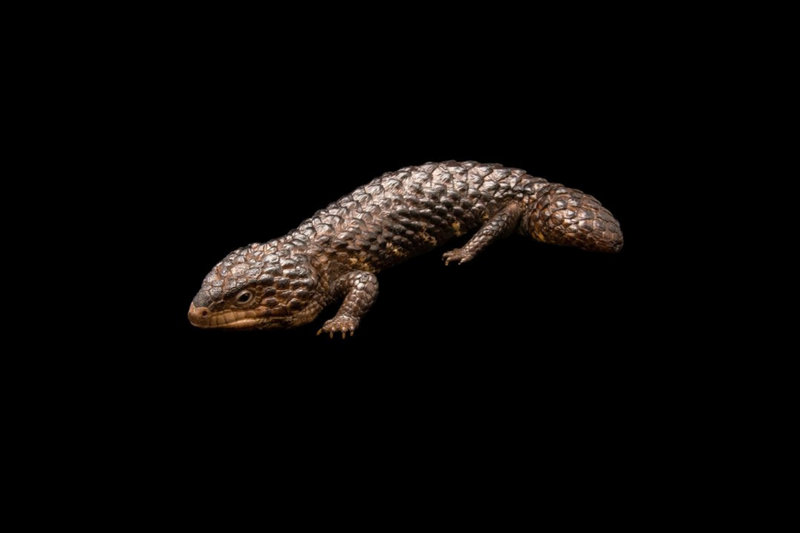
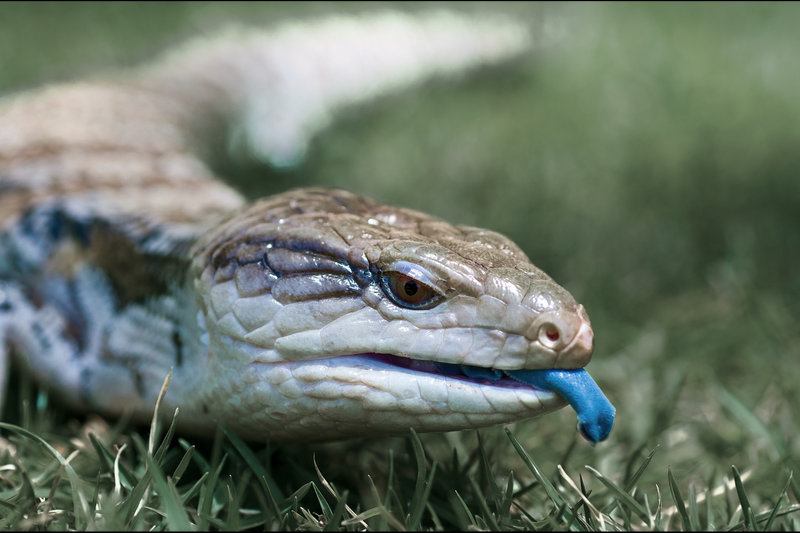
Grey to brown with dark bands; bright blue tongue as warning
ADAPTATIONS
Stout body, short legs, wide mouth for varied diet
🌿 Ecology
HABITAT
Forests, woodlands, grasslands, and suburban areas
DIET
Omnivorous
GEOGRAPHIC RANGE
Eastern and northern Australia, including Tasmania
REPRODUCTION
Live-bearing, 5-25 young after 100-day gestation
DIET DETAILS
Eats insects, snails, fruits, flowers, small vertebrates
⚠️ Threats & Conservation
PRIMARY THREATS
Habitat loss, roadkill, predation by dogs or cats
💡 Interesting Facts
1
Tongue Defenders: Blue-tongued skinks flash their blue tongue, hissing to scare predators in Ku-ring-gai Chase’s grasslands, deterring birds with a 60 cm body. Their millions-strong population consumes 100 grams of snails daily, thriving in urban gardens despite pet predation.
2
Viviparous Breeders: Birthing up to 25 live young in Healesville’s woodlands, they nurture briefly, a rare lizard trait boosting survival in Mount Coot-tha’s suburbs. Their omnivorous diet, including 50 fruits monthly, supports their adaptability across Australia’s east.
🔭 Sighting Guide
📍 BEST PLACES TO SIGHT
Ku-ring-gai Chase National Park in New South Wales has West Head and Bobbin Head trails for skink sightings
Healesville Sanctuary in Victoria near Yarra Valley hosts wild skink populations
Mount Coot-tha in Queensland Brisbane offers botanic gardens and forest trails for skink sightings
🗓️ BEST TIME TO SIGHT
September-March. Spring and summer increase skink activity in woodlands for foraging.
🎯 SIGHTING TIPS
Search sunny clearings at midday to spot skinks basking on rocks.