Home › Reptilia › Scincidae › Shingleback Lizard (Tiliqua rugosa)
SPECIES PROFILE
Shingleback Lizard (Tiliqua rugosa)
Tiliqua
IUCN STATUS
Least Concern

CONSERVATION STATUS
Least Concern
CLASS
Reptilia
GEOGRAPHICAL RANGE
Southern and western Australia
DIET
Omnivorous
HABITAT
Arid and semi-arid regions, including woodlands and shrublands
🔬 Classification
PHYLUM
Chordata
CLASS
Reptilia
ORDER
Squamata
FAMILY
Scincidae
GENUS
Tiliqua
📋 Description
SIZE
Up to 40 cm long; 0.6-0.9 kg
COLORATION
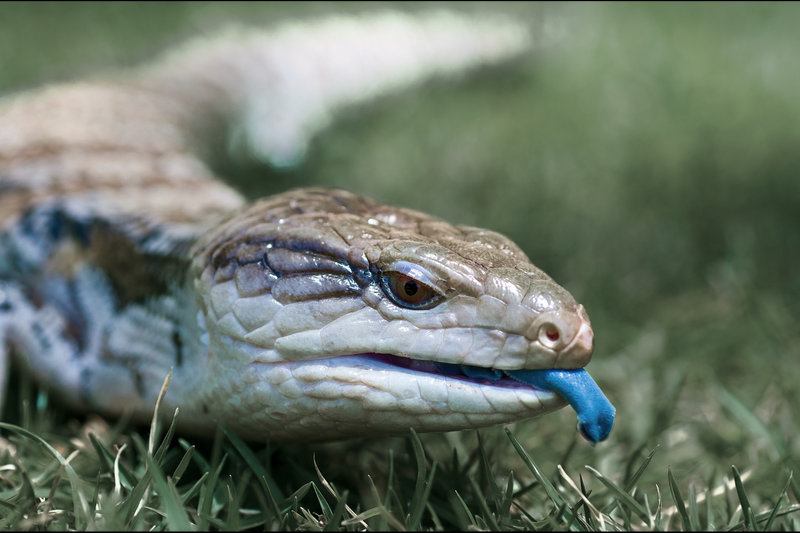
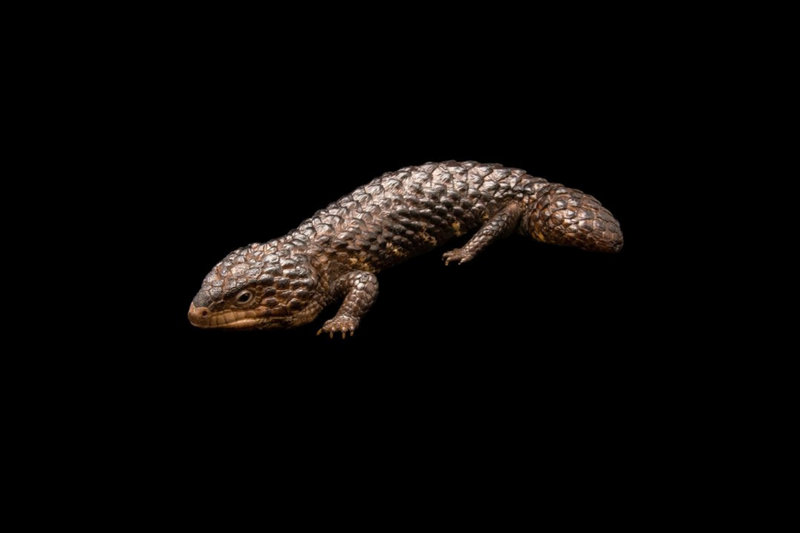
Dark brown to black with rough, shingle-like scales; tail mimics head
ADAPTATIONS
Thick, armored skin and short, blunt tail for defense
🌿 Ecology
HABITAT
Arid and semi-arid regions, including woodlands and shrublands
DIET
Omnivorous
GEOGRAPHIC RANGE
Southern and western Australia
REPRODUCTION
Viviparous, 1-4 large young after 5-month gestation
DIET DETAILS
Feeds on vegetation, fruits, flowers, insects, small animals
⚠️ Threats & Conservation
PRIMARY THREATS
Habitat destruction, vehicle strikes
💡 Interesting Facts
1
Lifelong Partners: Shingleback lizards form monogamous bonds lasting over 20 years, a rare trait among reptiles, reuniting annually to mate in Flinders Ranges’ scrublands. This loyalty enhances survival by sharing foraging sites, with pairs defending territories against rivals.
2
Head-Tail Deception: Their tail mimics their head, confusing predators like hawks, which may attack the wrong end, allowing escape in Kalamunda’s woodlands. This mimicry, combined with a hissing display, deters threats, enabling them to consume 100 grams of plants and insects daily.
🔭 Sighting Guide
📍 BEST PLACES TO SIGHT
Flinders Ranges National Park in South Australia has Wilpena Pound rocky scrublands for lizard sightings
Kalamunda National Park in Western Australia near Perth offers arid woodlands for lizard sightings
Eyre Peninsula in South Australia near Whyalla features semi-arid bushland for lizard sightings
🗓️ BEST TIME TO SIGHT
September-March. Spring and summer increase lizard activity in scrublands for foraging.
🎯 SIGHTING TIPS
Search Wilpena Pound rocky areas, Whyalla's bushlands, or Perth's arid woodlands at midday to spot lizards basking.