Home › Mammalia › Giraffidae › Okapi (Okapia johnstoni)
SPECIES PROFILE
Okapi (Okapia johnstoni)
Okapia
IUCN STATUS
Endangered

CONSERVATION STATUS
Endangered
CLASS
Mammalia
GEOGRAPHICAL RANGE
Northeast DR Congo only
DIET
Herbivorous
HABITAT
Dense Ituri rainforest
🔬 Classification
PHYLUM
Chordata
CLASS
Mammalia
ORDER
Artiodactyla
FAMILY
Giraffidae
GENUS
Okapia
📋 Description
SIZE
Up to 1.5 m at shoulder; 200-350 kg
COLORATION
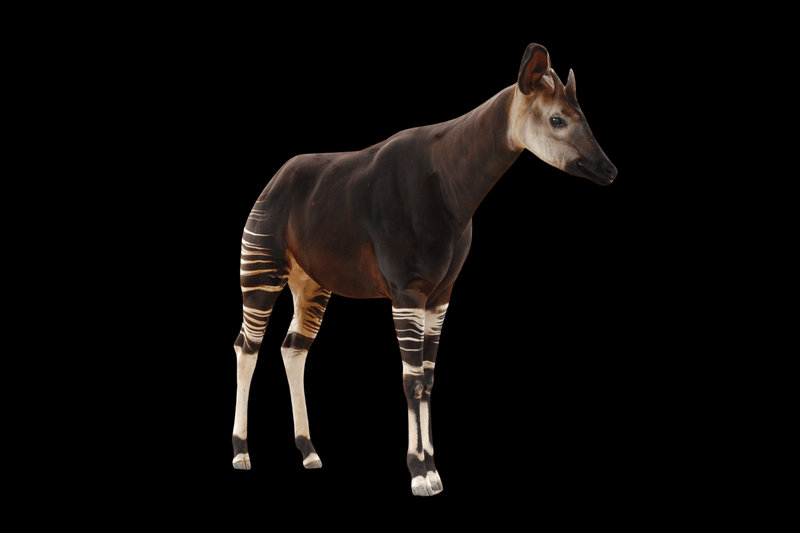
Dark chocolate body with striking white-striped legs
ADAPTATIONS
Long dark tongue can clean its own eyes and ears
🌿 Ecology
HABITAT
Dense Ituri rainforest
DIET
Herbivorous
GEOGRAPHIC RANGE
Northeast DR Congo only
REPRODUCTION
Single calf
DIET DETAILS
Leaves, buds, fruit and fungi
⚠️ Threats & Conservation
PRIMARY THREATS
Poaching, conflict, habitat loss
💡 Interesting Facts
1
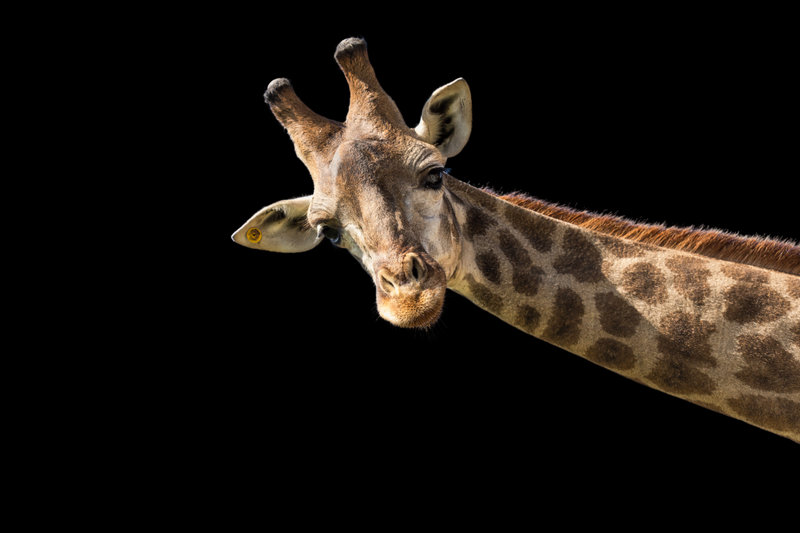
The only living relative of the giraffe, hidden in the Congo forest and unknown to science until 1901.
2
Its zebra-striped legs help calves recognise their mother in the gloom.
🔭 Sighting Guide
📍 BEST PLACES TO SIGHT
Okapi Wildlife Reserve
Epulu
🗓️ BEST TIME TO SIGHT
Year-round
🎯 SIGHTING TIPS
Extremely elusive; best chance is the Okapi Wildlife Reserve with expert trackers.