Home › Mammalia › Giraffidae › Giraffe (Giraffa camelopardalis)
SPECIES PROFILE
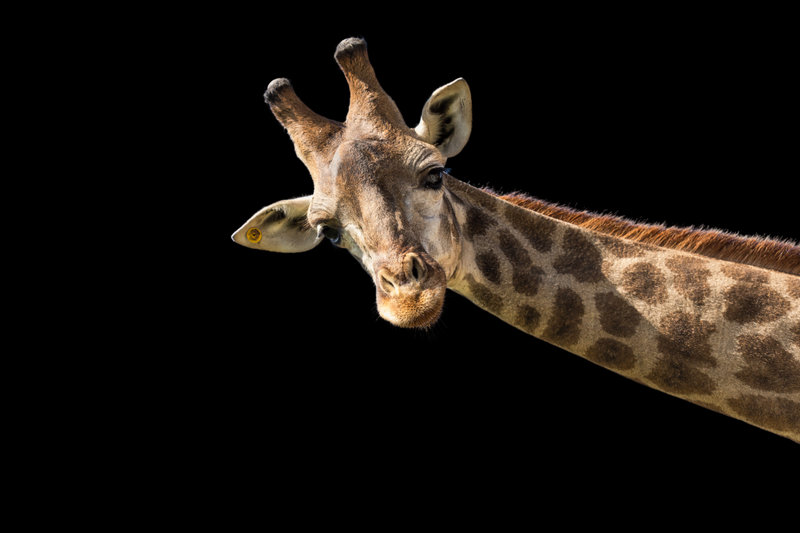
Giraffe (Giraffa camelopardalis)
Giraffa
IUCN STATUS
Vulnerable

CONSERVATION STATUS
Vulnerable
CLASS
Mammalia
GEOGRAPHICAL RANGE
Sub-Saharan Africa, scattered populations
DIET
Herbivorous
HABITAT
Savannas, woodlands, grasslands
🔬 Classification
PHYLUM
Chordata
CLASS
Mammalia
ORDER
Artiodactyla
FAMILY
Giraffidae
GENUS
Giraffa
📋 Description
SIZE
Males 4.3-5.7 m tall, 800-1,930 kg; females 4-5 m, 550-1,180 kg
COLORATION
Brown patches on cream coat, unique patterns
ADAPTATIONS
Long neck for browsing; prehensile tongue
🌿 Ecology
HABITAT
Savannas, woodlands, grasslands
DIET
Herbivorous
GEOGRAPHIC RANGE
Sub-Saharan Africa, scattered populations
REPRODUCTION
Gestation 15 months, 1 calf; calf walks within hours
DIET DETAILS
Acacia leaves, twigs
⚠️ Threats & Conservation
PRIMARY THREATS
Habitat loss, poaching, human encroachment
💡 Interesting Facts
1
Cardiovascular Marvel: Giraffes have a massive heart (up to 11 kg) pumping blood 2 meters up to their brain against gravity, aided by a unique system of valves preventing backflow. This adaptation allows them to thrive at heights no other mammal can reach.
2
Silent Giants: Despite their size, giraffes are mostly silent, communicating with infrasound below human hearing, which can travel long distances across the savanna. Recent studies suggest they may hum at night, a subtle sound only detected with specialized equipment.
🔭 Sighting Guide
📍 BEST PLACES TO SIGHT
Serengeti National Park, Tanzania
Etosha National Park, Namibia
Samburu National Reserve, Kenya
🗓️ BEST TIME TO SIGHT
June-October: Dry season brings giraffes to waterholes for drinking and browsing.
🎯 SIGHTING TIPS
Visit waterholes at midday to see giraffes browsing acacias or drinking.