Home › Aves › Paradoxornithidae › Yellow-eyed Babbler (Chrysomma sinense)
SPECIES PROFILE
Yellow-eyed Babbler (Chrysomma sinense)
Chrysomma
IUCN STATUS
Least Concern

CONSERVATION STATUS
Least Concern
CLASS
Aves
GEOGRAPHICAL RANGE
Pakistan India Nepal Sri Lanka Bangladesh Myanmar Thailand Laos Vietnam China
DIET
Omnivorous
HABITAT
Grassy thorny scrub farmland lowlands lower hills absent dense forests
🔬 Classification
PHYLUM
Chordata
CLASS
Aves
ORDER
Passeriformes
FAMILY
Paradoxornithidae
GENUS
Chrysomma
📋 Description
SIZE
18 cm long 20-30 g
COLORATION
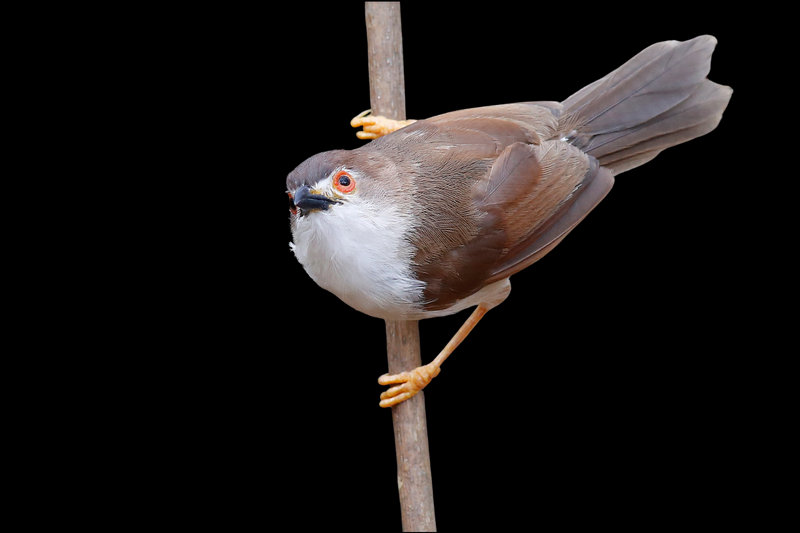
Brown above cinnamon wings white lores supercilium orange-yellow eye rim black beak whitish buff underside long graduated tail
ADAPTATIONS
Holds insects with feet cooperative nesting feigns injury communal roosting preens each other
🌿 Ecology
HABITAT
Grassy thorny scrub farmland lowlands lower hills absent dense forests
DIET
Omnivorous
GEOGRAPHIC RANGE
Pakistan India Nepal Sri Lanka Bangladesh Myanmar Thailand Laos Vietnam China
REPRODUCTION
Lays 3-5 pinkish eggs in cone nests incubated 15-16 days young fledge 13 days
DIET DETAILS
Insects berries Lantana Salvadora nectar
⚠️ Threats & Conservation
PRIMARY THREATS
Predation by shikras habitat loss
💡 Interesting Facts
1
Group Foragers: Yellow-eyed Babblers chatter with 25-gram bodies eating 10 grams of insects daily in Maharashtra's grass. Their yellow eyes glow.
2
Cooperative Breeders: These babblers cover 3000 sq km in Duars' scrub nesting in grass clumps. Grassland conversion threatens them.
🔭 Sighting Guide
📍 BEST PLACES TO SIGHT
Mangaon in Maharashtra
Northeast Duars
Palghat in Kerala
🗓️ BEST TIME TO SIGHT
June-August Monsoon breeding enhances visibility for spotting babblers
🎯 SIGHTING TIPS
Look for yellow-eyed babblers in groups in grassy patches
🐾 You Might Also Want to See...

Species
Range
Status
Species
Range
Status
Species
Range
Status
Species
Range
Status