
Home › Aves › Accipitridae › Vulture (Gyps africanus / others)
SPECIES PROFILE
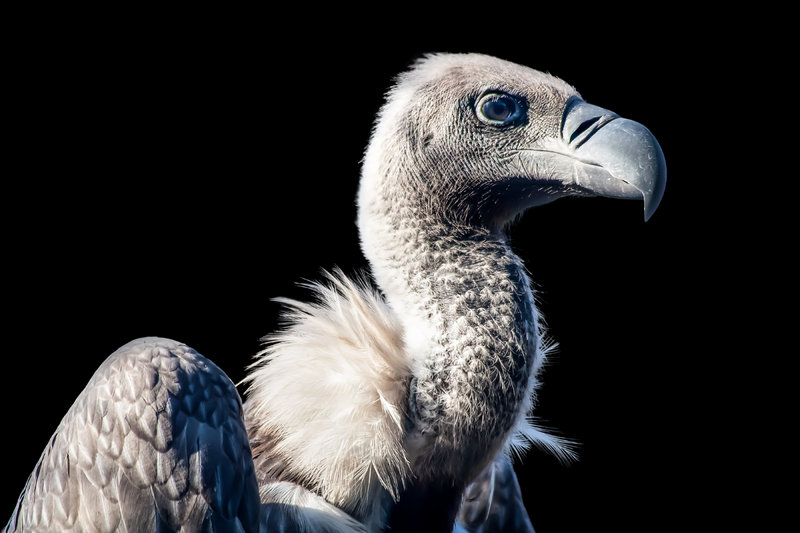
Vulture (Gyps africanus / others)
Gyps (and others)
IUCN STATUS
Critically Endangered (many species)

CONSERVATION STATUS
Critically Endangered (many species)
CLASS
Aves
GEOGRAPHICAL RANGE
Widespread across Africa
DIET
Scavenger
HABITAT
Savannas, grasslands, deserts
🔬 Classification
PHYLUM
Chordata
CLASS
Aves
ORDER
Accipitriformes
FAMILY
Accipitridae
GENUS
Gyps (and others)
📋 Description
SIZE
85-110 cm, 4-12 kg; wingspan 2-3 m (varies by species)
COLORATION
Brown to white; bald head (e.g., white-backed)
ADAPTATIONS
Keen sense of smell/sight for carrion; soaring flight
🌿 Ecology
HABITAT
Savannas, grasslands, deserts
DIET
Scavenger
GEOGRAPHIC RANGE
Widespread across Africa
REPRODUCTION
1 egg; incubation 50-56 days
DIET DETAILS
Carrion
⚠️ Threats & Conservation
PRIMARY THREATS
Poisoning, habitat loss, collisions
💡 Interesting Facts
1
Sky Sentinels: Vultures soar at altitudes exceeding 11,000 meters using keen senses to locate carcasses, their bald heads preventing bacterial buildup from messy meals. This scavenging cleans ecosystems, halting rot that could sicken other wildlife.
2
Poison Peril: They're dying en masse from eating poisoned carcasses meant for predators, a crisis that's slashed populations by 90% in some areas since the 1980s. This unintended consequence of human-wildlife conflict threatens their role as nature's cleanup crew.
🔭 Sighting Guide
📍 BEST PLACES TO SIGHT
Serengeti National Park, Tanzania
Hluhluwe-iMfolozi Park, South Africa
Masai Mara National Reserve, Kenya
🗓️ BEST TIME TO SIGHT
Look for circling vultures above carcasses at midday from high vantage points.
🎯 SIGHTING TIPS
May-October: Dry season increases scavenging activity as animals die near waterholes.
🐾 You Might Also Want to See...


Other "Vulnerable" Species

Species
Species
Species
Species