Home › Aves › Rhipiduridae › White-browed Fantail (Rhipidura aureola)
SPECIES PROFILE
White-browed Fantail (Rhipidura aureola)
Rhipidura
IUCN STATUS
Least Concern

CONSERVATION STATUS
Least Concern
CLASS
Aves
GEOGRAPHICAL RANGE
Indian subcontinent southeast Asia
DIET
Insectivorous
HABITAT
Open forests scrub urban gardens
🔬 Classification
PHYLUM
Chordata
CLASS
Aves
ORDER
Passeriformes
FAMILY
Rhipiduridae
GENUS
Rhipidura
📋 Description
SIZE
17-18 cm long 10-15 g
COLORATION
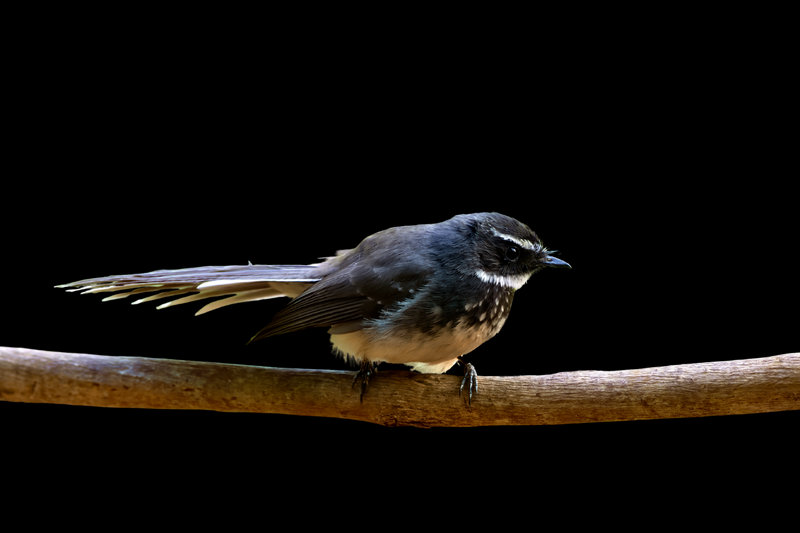
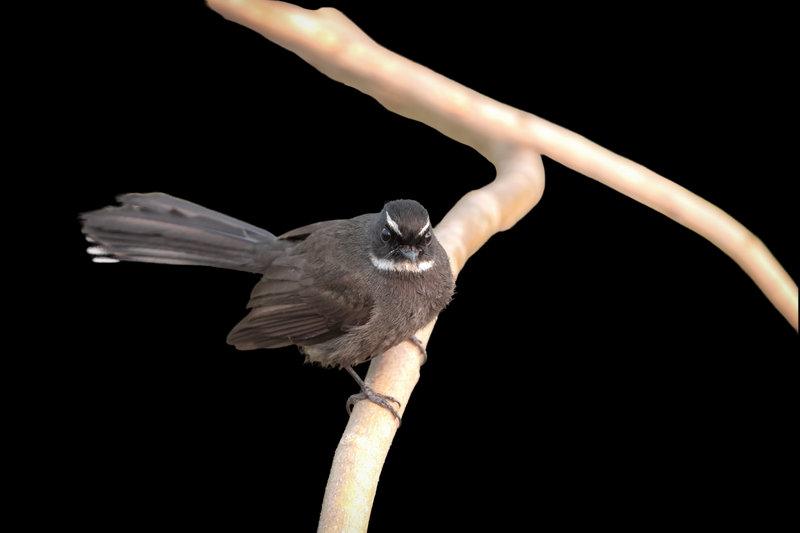
Grey with white eyebrow throat black eye mask fanned tail
ADAPTATIONS
Constant tail fanning agile flight for insect catching
🌿 Ecology
HABITAT
Open forests scrub urban gardens
DIET
Insectivorous
GEOGRAPHIC RANGE
Indian subcontinent southeast Asia
REPRODUCTION
Lays 2-3 eggs in cup nests incubated 12-14 days
DIET DETAILS
Insects caught in flight or gleaned
⚠️ Threats & Conservation
PRIMARY THREATS
Pesticide use habitat loss
💡 Interesting Facts
1
Fan-tailed Dancers: White-browed Fantails flit with 12-gram bodies catching 5 grams of insects daily in Tamil Nadu's scrub. Their white eyebrows are bold.
2
Forest Flutterers: These fantails cover 2000 sq km in Kerala's forests nesting in low bushes. Deforestation threatens their range.
🔭 Sighting Guide
📍 BEST PLACES TO SIGHT
Thattekad Bird Sanctuary in Kerala
Anamalai Tiger Reserve in Tamil Nadu
Dandeli Wildlife Sanctuary in Karnataka
🗓️ BEST TIME TO SIGHT
October-March Dry season enhances visibility in forests for spotting fantails
🎯 SIGHTING TIPS
Watch white-browed fantails fanning tails in open undergrowth