Home › Aves › Rallidae › Gray-headed Swamphen (Porphyrio poliocephalus)
SPECIES PROFILE
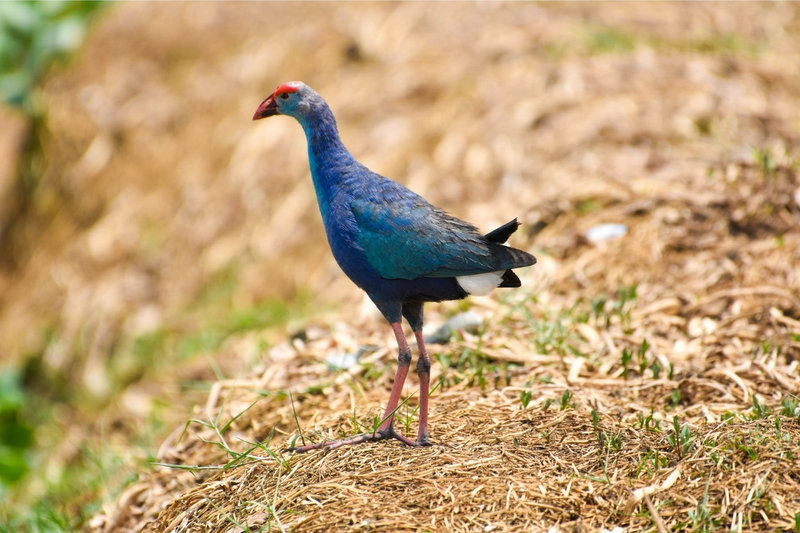
Gray-headed Swamphen (Porphyrio poliocephalus)
Porphyrio
IUCN STATUS
Least Concern

CONSERVATION STATUS
Least Concern
CLASS
Aves
GEOGRAPHICAL RANGE
Indian subcontinent southeast Asia
DIET
Omnivorous
HABITAT
Wetlands marshes lakes with dense vegetation
🔬 Classification
PHYLUM
Chordata
CLASS
Aves
ORDER
Gruiformes
FAMILY
Rallidae
GENUS
Porphyrio
📋 Description
SIZE
45-50 cm long 400-600 g
COLORATION
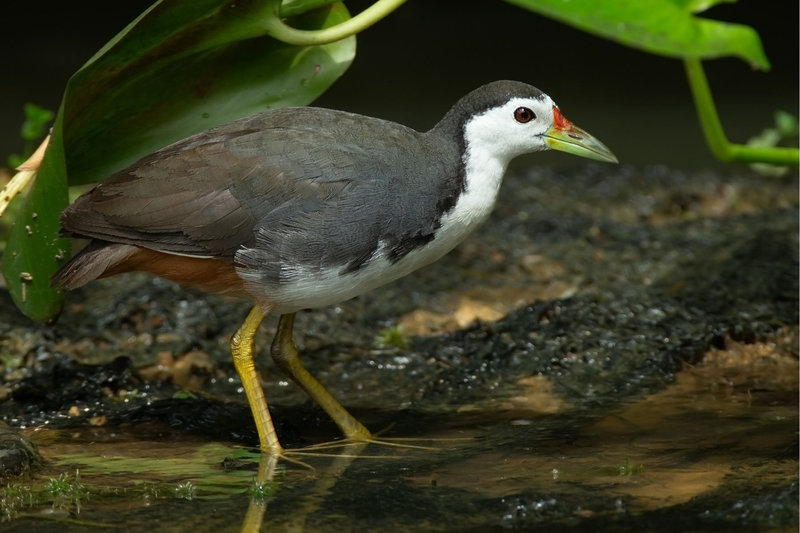
Purple-blue with gray head red bill frontal shield
ADAPTATIONS
Strong legs for walking on vegetation swims well
🌿 Ecology
HABITAT
Wetlands marshes lakes with dense vegetation
DIET
Omnivorous
GEOGRAPHIC RANGE
Indian subcontinent southeast Asia
REPRODUCTION
Lays 3-7 eggs in reed nests incubated 24-27 days
DIET DETAILS
Plants roots seeds insects small fish
⚠️ Threats & Conservation
PRIMARY THREATS
Wetland drainage human disturbance
💡 Interesting Facts
1
Marsh Monarchs: Gray-headed Swamphens stride with 500-gram bodies eating 100 grams of plants daily in Bharatpur's wetlands. Their red shields signal dominance.
2
Water Walkers: These swamphens cover 4000 sq km in Chilika's marshes nesting in reeds. Habitat loss threatens their colonies.
🔭 Sighting Guide
📍 BEST PLACES TO SIGHT
Bharatpur Bird Sanctuary in Rajasthan
Chilika Lake in Odisha
Sundarbans National Park in West Bengal
🗓️ BEST TIME TO SIGHT
October-March Dry season enhances visibility in wetlands for spotting swamphens
🎯 SIGHTING TIPS
Spot gray-headed swamphens walking on floating vegetation