Home › Mammalia › Soricidae › Millet's Shrew (Sorex coronatus)
SPECIES PROFILE
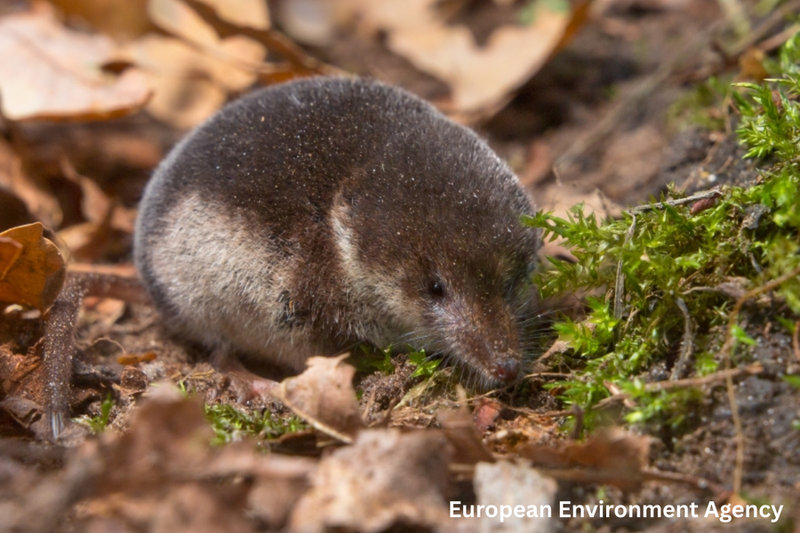
Millet's Shrew (Sorex coronatus)
Sorex
IUCN STATUS
Least Concern

CONSERVATION STATUS
Least Concern
CLASS
Mammalia
GEOGRAPHICAL RANGE
Western Europe (France, Germany, Low Countries)
DIET
Insectivorous
HABITAT
Hedgerows, woodland, gardens
🔬 Classification
PHYLUM
Chordata
CLASS
Mammalia
ORDER
Eulipotyphla
FAMILY
Soricidae
GENUS
Sorex
📋 Description
SIZE
6-8 cm body, 7-12 g
COLORATION
Dark brown, pale underside
ADAPTATIONS
Venomous saliva
🌿 Ecology
HABITAT
Hedgerows, woodland, gardens
DIET
Insectivorous
GEOGRAPHIC RANGE
Western Europe (France, Germany, Low Countries)
REPRODUCTION
4-8 young
DIET DETAILS
Insects, worms, slugs
⚠️ Threats & Conservation
PRIMARY THREATS
Habitat loss
💡 Interesting Facts
1
Millet’s shrew is a sibling species to the common shrew and can only be told apart by detailed examination or DNA. It has a venomous bite and an extremely high metabolism.
2
It is common in western European hedgerows but rarely noticed because of its secretive habits.
🔭 Sighting Guide
📍 BEST PLACES TO SIGHT
Vosges Mountains France
Black Forest Germany
Ardennes Belgium
🗓️ BEST TIME TO SIGHT
Year-round
🎯 SIGHTING TIPS
Live-trapping in hedgerows/woodland; sibling species of common shrew.