Home › Aves › Tytoidae › Eastern Barn Owl (Tyto alba)
SPECIES PROFILE
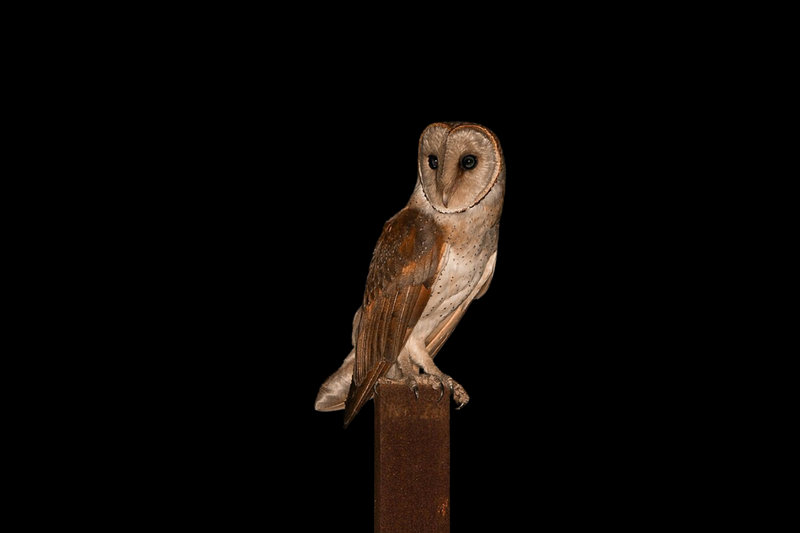
Eastern Barn Owl (Tyto alba)
Tyto
IUCN STATUS
Least Concern

CONSERVATION STATUS
Least Concern
CLASS
Aves
GEOGRAPHICAL RANGE
Indian subcontinent southeast Asia
DIET
Insectivorous
HABITAT
Urban areas barns open fields
🔬 Classification
PHYLUM
Chordata
CLASS
Aves
ORDER
Strigiformes
FAMILY
Tytoidae
GENUS
Tyto
📋 Description
SIZE
34-36 cm long 300-500 g
COLORATION
White heart-shaped face buff upperparts
ADAPTATIONS
Silent flight large eyes for nocturnal hunting
🌿 Ecology
HABITAT
Urban areas barns open fields
DIET
Insectivorous
GEOGRAPHIC RANGE
Indian subcontinent southeast Asia
REPRODUCTION
Lays 4-7 eggs in cavities incubated 30-34 days
DIET DETAILS
Small mammals birds insects
⚠️ Threats & Conservation
PRIMARY THREATS
Habitat loss rodenticide use
💡 Interesting Facts
1
Eastern Hunters: Eastern Barn Owls hunt with 400-gram bodies eating 100 grams of rodents daily in Punjab's fields. Their heart faces are ghostly.
2
Barn Roosters: These owls cover 2000 sq km in Haryana's urban areas nesting in barns. Rodenticides threaten their prey.
🔭 Sighting Guide
📍 BEST PLACES TO SIGHT
Sultanpur National Park in Haryana
Jamnagar in Gujarat
Bhigwan Bird Sanctuary in Maharashtra
🗓️ BEST TIME TO SIGHT
Year-round Urban areas ensure visibility for spotting barn owls
🎯 SIGHTING TIPS
Watch eastern barn owls at dusk flying silently
🐾 You Might Also Want to See...

Species
Range
Status
Species
Range
Status
Species
Range
Status
Species
Range
Status