Home › Aves › Otididae › Australian Bustard (Ardeotis australis)
SPECIES PROFILE
Australian Bustard (Ardeotis australis)
Ardeotis
IUCN STATUS
Near Threatened

CONSERVATION STATUS
Near Threatened
CLASS
Aves
GEOGRAPHICAL RANGE
Northern and inland Australia, WA to NSW
DIET
Omnivorous
HABITAT
Grasslands, open woodlands, arid plains
🔬 Classification
PHYLUM
Chordata
CLASS
Aves
ORDER
Otidiformes
FAMILY
Otididae
GENUS
Ardeotis
📋 Description
SIZE
1.2 meters tall (males), wingspan 2-2.3 meters; 2-8 kg
COLORATION
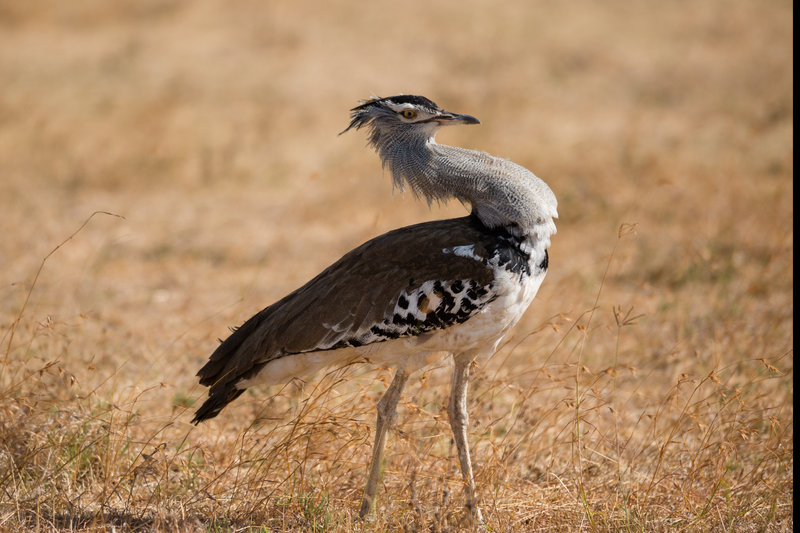
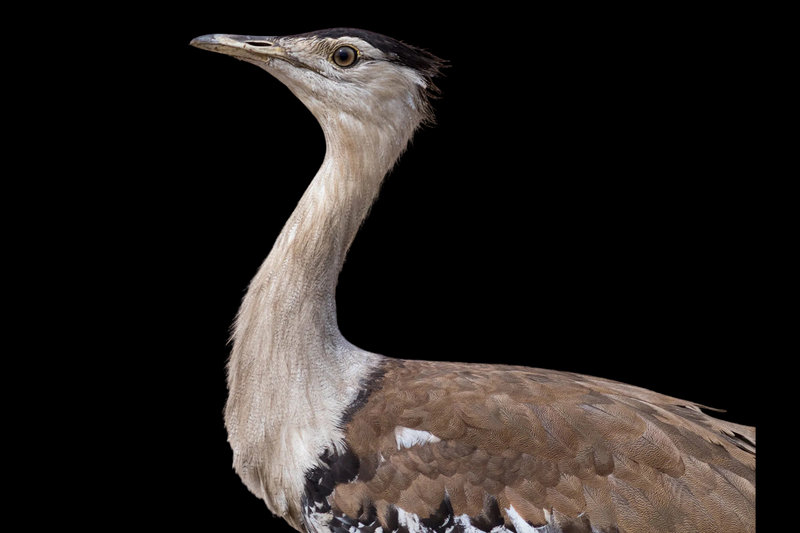
Brown upperparts, white underbelly; males black breast band in breeding
ADAPTATIONS
Long legs for walking, strong wings for short flights
🌿 Ecology
HABITAT
Grasslands, open woodlands, arid plains
DIET
Omnivorous
GEOGRAPHIC RANGE
Northern and inland Australia, WA to NSW
REPRODUCTION
Lays 1-2 eggs on bare ground, incubated 23-28 days; precocial chicks leave nest
DIET DETAILS
Eats insects, small vertebrates, seeds, plants
⚠️ Threats & Conservation
PRIMARY THREATS
Habitat loss, agriculture, fox/cat predation, historical hunting
💡 Interesting Facts
1
Dancing Giants: Male bustards perform elaborate dances, inflating throat sacs with booms audible 1 km away in Great Sandy Desert, attracting females. Their 8 kg frame, one of Australia’s heaviest fliers, faces habitat loss, with 10,000 remaining in protected grasslands.
2
Outback Wanderers: Covering 20 km daily in Winton’s woodlands, they forage 200 grams of insects and seeds, their long legs striding through arid plains. Conservation efforts in Gulf Plains curb fox predation, preserving their role as seed dispersers in northern ecosystems.
🔭 Sighting Guide
📍 BEST PLACES TO SIGHT
Great Sandy Desert in Western Australia near Broome and Telfer is ideal for Australian bustard sightings in dry season
Gulf Plains in Queensland around Normanton and Karumba feature grasslands for Australian bustard sightings
Winton in Queensland Outback near Lark Quarry has sparse woodlands for Australian bustard sightings
🗓️ BEST TIME TO SIGHT
April-October. Dry season enhances visibility in open grasslands where bustards perform breeding displays.
🎯 SIGHTING TIPS
Scan savannas near Broome, Normanton, woodlands near Lake Quarry at dawn to observe male bustards displaying courtship behaviors.