Home › Aves › Apodidae › Little Swift (Apus affinis)
SPECIES PROFILE
Little Swift (Apus affinis)
Apus
IUCN STATUS
Least Concern

CONSERVATION STATUS
Least Concern
CLASS
Aves
GEOGRAPHICAL RANGE
Africa southwestern Asia including India
DIET
Insectivorous
HABITAT
Urban areas rocky cliffs around habitation cliffs
🔬 Classification
PHYLUM
Chordata
CLASS
Aves
ORDER
Apodiformes
FAMILY
Apodidae
GENUS
Apus
📋 Description
SIZE
12-13 cm long 20-30 g
COLORATION
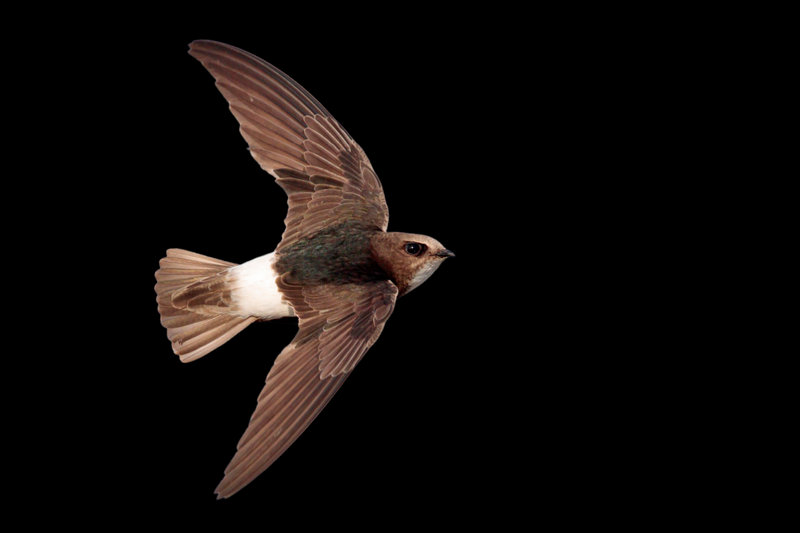
Black plumage white throat rump short square tail round-tipped rectrices
ADAPTATIONS
Spends life in air catches insects in beak drinks on wing clings to vertical surfaces never on ground
🌿 Ecology
HABITAT
Urban areas rocky cliffs around habitation cliffs
DIET
Insectivorous
GEOGRAPHIC RANGE
Africa southwestern Asia including India
REPRODUCTION
Lays 1-4 eggs in nests in holes buildings cliffs
DIET DETAILS
Insects caught in flight
⚠️ Threats & Conservation
PRIMARY THREATS
Habitat loss from dam construction
💡 Interesting Facts
1
Aerial Acrobats: Little Swifts glide with 25-gram bodies catching 10 grams of insects daily over Delhi's skies. Their white rumps flash in flight.
2
Colonial Nesters: These swifts cover 3000 sq km in Mumbai's urban areas building mud nests on buildings. Urban expansion aids their spread.
🔭 Sighting Guide
📍 BEST PLACES TO SIGHT
Delhi urban skies
Mumbai buildings
Chennai cliffs
🗓️ BEST TIME TO SIGHT
Year-round Urban presence ensures visibility for spotting swifts
🎯 SIGHTING TIPS
Watch little swifts swooping high near buildings at dusk