Home › Aves › Glareolidae › Jerdon's Courser (Rhinoptilus bitorquatus)
SPECIES PROFILE
Jerdon's Courser (Rhinoptilus bitorquatus)
Rhinoptilus
IUCN STATUS
Critically Endangered

CONSERVATION STATUS
Critically Endangered
CLASS
Aves
GEOGRAPHICAL RANGE
Andhra Pradesh, Eastern Ghats
DIET
Insectivorous
HABITAT
Scrub forests, rocky terrains
🔬 Classification
PHYLUM
Chordata
CLASS
Aves
ORDER
Charadriiformes
FAMILY
Glareolidae
GENUS
Rhinoptilus
📋 Description
SIZE
27 cm long, 80-100 grams
COLORATION
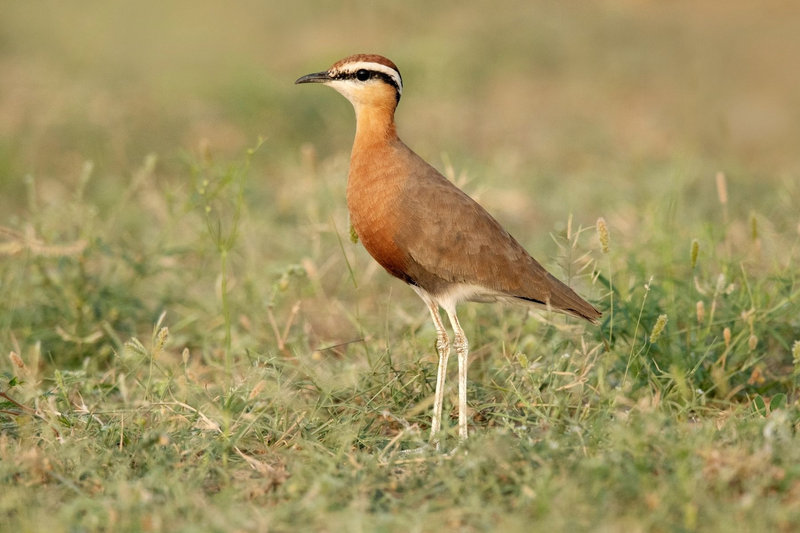
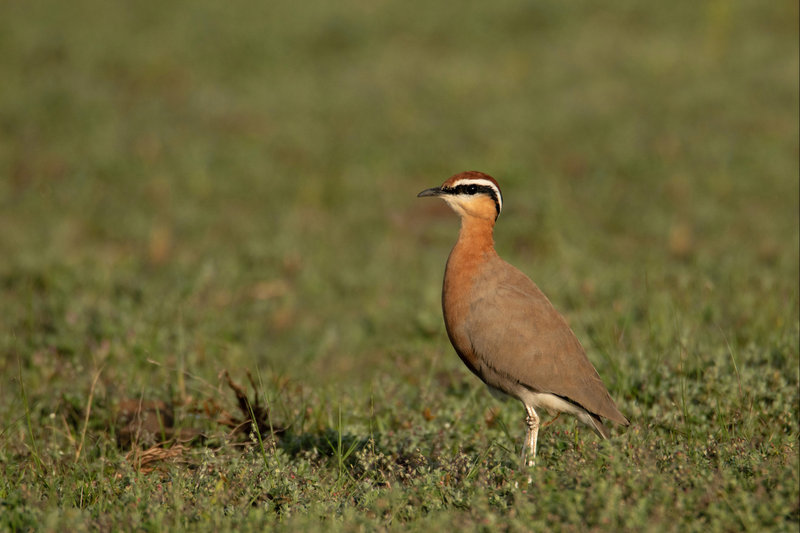
Brown with white underparts, pinkish legs
ADAPTATIONS
Nocturnal habits, cryptic plumage for camouflage
🌿 Ecology
HABITAT
Scrub forests, rocky terrains
DIET
Insectivorous
GEOGRAPHIC RANGE
Andhra Pradesh, Eastern Ghats
REPRODUCTION
Lays 1-2 eggs on ground, incubated 24-25 days
DIET DETAILS
Insects, spiders
⚠️ Threats & Conservation
PRIMARY THREATS
Habitat loss, human disturbance
💡 Interesting Facts
1
Rediscovered Gem: Found in 1986 after a century these 27 cm birds run 20 km/h in Sri Lankamalleswara's scrublands with 200 left. Habitat loss threatens their 100 sq km range.
2
Night Runners: Nocturnal they dodge predators under moonlight laying 2 eggs per clutch in Andhra's dry forests. Conservation fences protect their fragile habitat.
🔭 Sighting Guide
📍 BEST PLACES TO SIGHT
Sri Lankamalleswara Wildlife Sanctuary in Andhra Pradesh is the only known courser habitat
Kadapa Scrublands in Andhra Pradesh offer rare courser sightings at night
Pulicat Lake Bird Sanctuary in Andhra Pradesh scrub fringes host courser sightings
🗓️ BEST TIME TO SIGHT
November-March. Dry season improves visibility in scrublands for this rare bird.
🎯 SIGHTING TIPS
Join birding tours at dawn with expert guides to spot coursers.