Home › Aves › Leiothrichidae › Large Gray Babbler (Argya malcolmi)
SPECIES PROFILE
Large Gray Babbler (Argya malcolmi)
Argya
IUCN STATUS
Least Concern

CONSERVATION STATUS
Least Concern
CLASS
Aves
GEOGRAPHICAL RANGE
Indian subcontinent
DIET
Omnivorous
HABITAT
Open scrub dry woodlands urban gardens
🔬 Classification
PHYLUM
Chordata
CLASS
Aves
ORDER
Passeriformes
FAMILY
Leiothrichidae
GENUS
Argya
📋 Description
SIZE
25-28 cm long 60-80 g
COLORATION
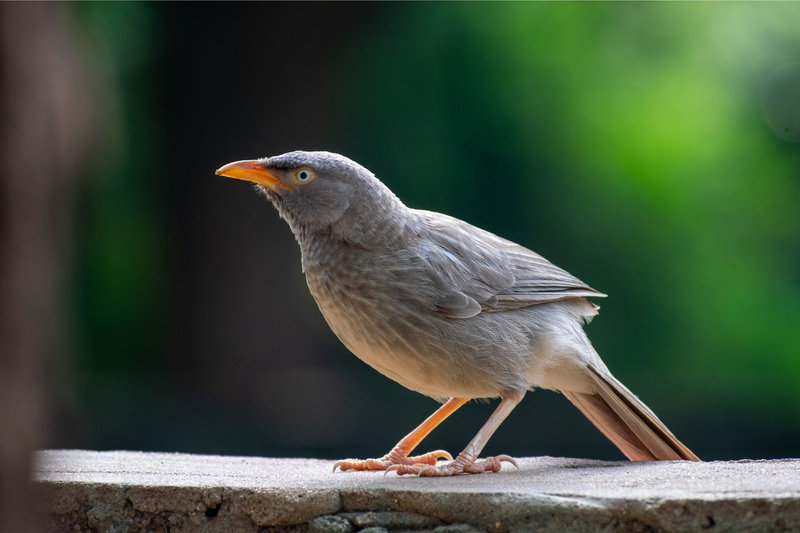
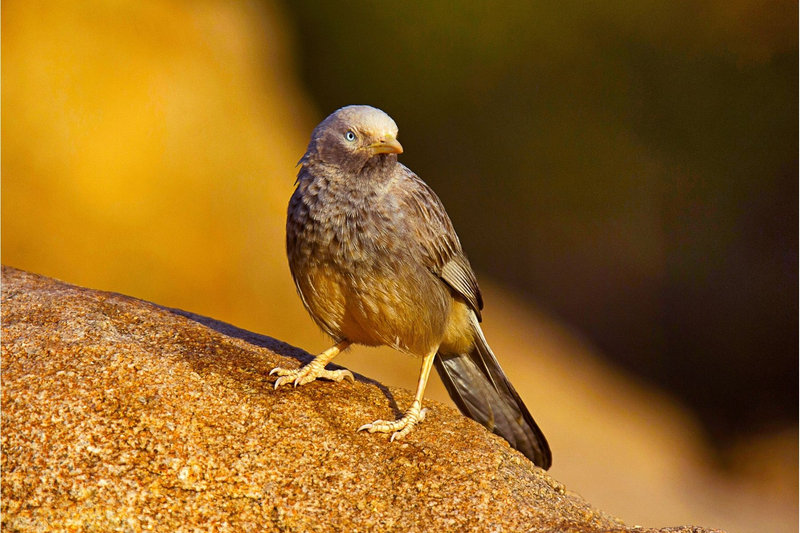
Grey-brown with paler underparts long tail white forehead
ADAPTATIONS
Group living cooperative breeding noisy foraging
🌿 Ecology
HABITAT
Open scrub dry woodlands urban gardens
DIET
Omnivorous
GEOGRAPHIC RANGE
Indian subcontinent
REPRODUCTION
Lays 3-5 eggs in cup nests incubated 14-16 days
DIET DETAILS
Insects seeds fruits small vertebrates
⚠️ Threats & Conservation
PRIMARY THREATS
Predation habitat loss
💡 Interesting Facts
1
Noisy Flockers: Large Gray Babblers chatter with 70-gram bodies eating 20 grams of insects daily in Delhi's scrub. Their group antics are lively.
2
Cooperative Helpers: These babblers cover 3000 sq km in Rajasthan's dry lands nesting in thorny bushes. Urban sprawl threatens their flocks.
🔭 Sighting Guide
📍 BEST PLACES TO SIGHT
Okhla Bird Sanctuary in Delhi
Ranthambore National Park in Rajasthan
Jamnagar in Gujarat
🗓️ BEST TIME TO SIGHT
Year-round Dry scrub ensures visibility for spotting babblers
🎯 SIGHTING TIPS
Listen for large gray babblers' noisy chatter in groups