Home › Aves › Psittaculidae › Alexandrine Parakeet (Psittacula eupatria)
SPECIES PROFILE
Alexandrine Parakeet (Psittacula eupatria)
Psittacula
IUCN STATUS
Near Threatened

CONSERVATION STATUS
Near Threatened
CLASS
Aves
GEOGRAPHICAL RANGE
Indian subcontinent southeast Asia
DIET
Omnivorous
HABITAT
Forests urban parks orchards
🔬 Classification
PHYLUM
Chordata
CLASS
Aves
ORDER
Psittaciformes
FAMILY
Psittaculidae
GENUS
Psittacula
📋 Description
SIZE
56-62 cm long 200-300 g
COLORATION
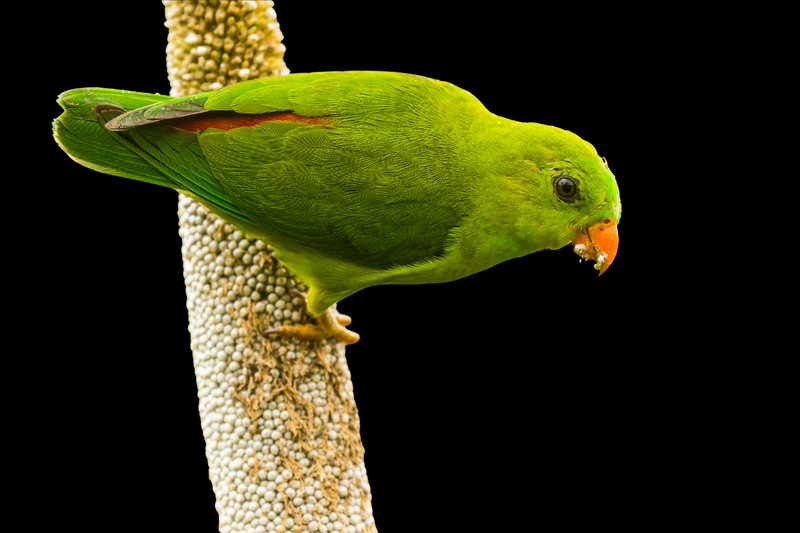
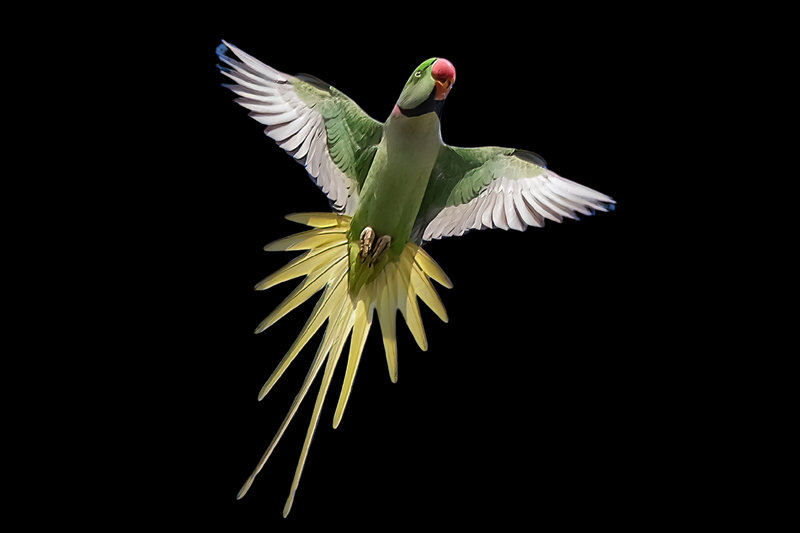
Green with red shoulder patch males maroon nape band
ADAPTATIONS
Strong bill for cracking seeds large size for roosting
🌿 Ecology
HABITAT
Forests urban parks orchards
DIET
Omnivorous
GEOGRAPHIC RANGE
Indian subcontinent southeast Asia
REPRODUCTION
Lays 2-4 eggs in tree cavities incubated 24-28 days
DIET DETAILS
Seeds fruits buds crops
⚠️ Threats & Conservation
PRIMARY THREATS
Pet trade deforestation
💡 Interesting Facts
1
Regal Parrots: Alexandrine Parakeets feed with 250-gram bodies eating 50 grams of seeds daily in Mumbai's orchards. Their red patches are bold.
2
Cavity Roosters: These parakeets cover 4000 sq km in Tamil Nadu's forests nesting in tree holes. Illegal trapping threatens their populations.
🔭 Sighting Guide
📍 BEST PLACES TO SIGHT
Sanjay Gandhi National Park in Mumbai Maharashtra
Guindy National Park in Chennai Tamil Nadu
Thattekad Bird Sanctuary in Kerala
🗓️ BEST TIME TO SIGHT
Year-round Urban parks ensure visibility for spotting parakeets
🎯 SIGHTING TIPS
Listen for Alexandrine parakeets' loud screeches in treetops