Home › Mammalia › Pteropodidae › Little Red Flying-fox (Pteropus scapulatus)
SPECIES PROFILE
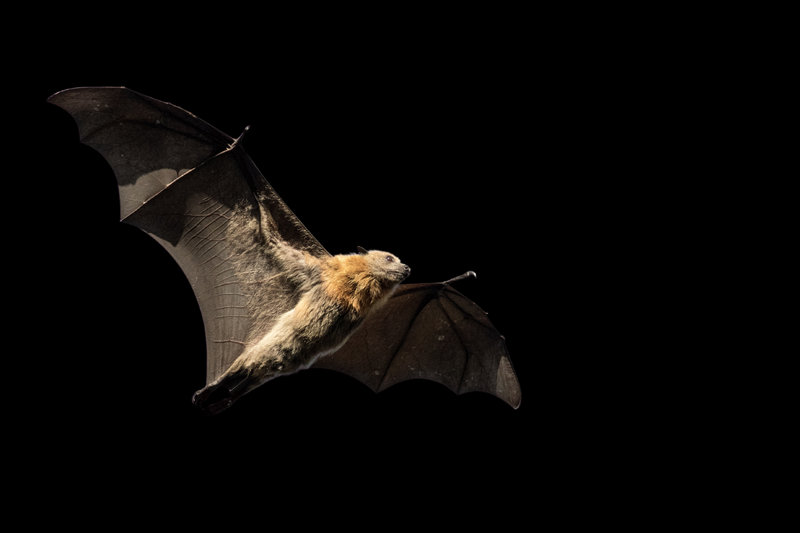
Little Red Flying-fox (Pteropus scapulatus)
Pteropus
IUCN STATUS
Least Concern

CONSERVATION STATUS
Least Concern
CLASS
Mammalia
GEOGRAPHICAL RANGE
Widespread across Australia, particularly in north and east
DIET
Frugivorous/Nectarivorous
HABITAT
Eucalyptus forests, woodlands, and urban areas with flowering trees
🔬 Classification
PHYLUM
Chordata
CLASS
Mammalia
ORDER
Chiroptera
FAMILY
Pteropodidae
GENUS
Pteropus
📋 Description
SIZE
Wingspan up to 90 cm; body length around 20 cm, weight 200-600 grams
COLORATION
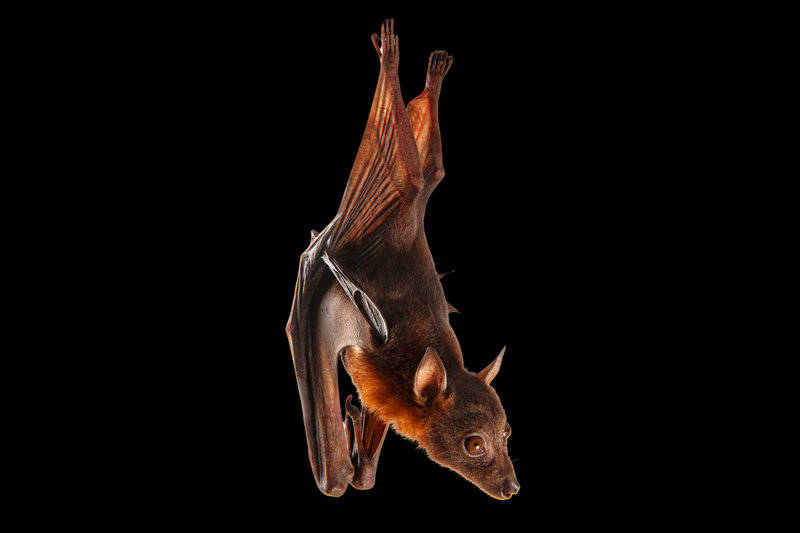
Reddish-brown fur, with a lighter ginger underbelly, and a dark face
ADAPTATIONS
Specialized for nectar feeding with a long tongue
🌿 Ecology
HABITAT
Eucalyptus forests, woodlands, and urban areas with flowering trees
DIET
Frugivorous/Nectarivorous
GEOGRAPHIC RANGE
Widespread across Australia, particularly in north and east
REPRODUCTION
Gives birth annually, with a single pup nursed by mother
DIET DETAILS
Primarily nectar from eucalyptus blossoms, also fruits and pollen
⚠️ Threats & Conservation
PRIMARY THREATS
Habitat loss, electrocution on power lines, changing flowering patterns
💡 Interesting Facts
1
Massive Migrations: Little red flying-foxes form camps of up to a million, migrating 1,000 km to follow eucalyptus blooms, pollinating 60,000 seeds per bat in Cairns Esplanade. Their noisy colonies, critical for forest regeneration, face risks from urban power lines, with thousands electrocuted yearly.
2
Urban Adaptors: Thriving in Parramatta Park’s fruit trees, they consume 500 grams of nectar nightly, but heatwaves kill thousands, threatening their 500,000-strong population. Their dusk fly-outs, seen in Katherine Gorge, create spectacular displays, boosting ecotourism despite urban challenges.
🔭 Sighting Guide
📍 BEST PLACES TO SIGHT
Cairns Esplanade in Queensland has evening fly-outs near city center during flowering for flying-fox sightings
Katherine Gorge in Northern Territory within Nitmiluk National Park features blooms for flying-fox sightings
Parramatta Park in New South Wales western Sydney offers dusk seasonal camps for flying-fox sightings
🗓️ BEST TIME TO SIGHT
September-March. Spring and summer increase bat activity in roosts for nectar feeding.
🎯 SIGHTING TIPS
Visit roost sites at dusk to see flying-foxes feeding in fruit trees.