Home › Mammalia › Pteropodidae › Grey-headed Flying-fox (Pteropus poliocephalus)
SPECIES PROFILE
Grey-headed Flying-fox (Pteropus poliocephalus)
Pteropus
IUCN STATUS
Vulnerable

CONSERVATION STATUS
Vulnerable
CLASS
Mammalia
GEOGRAPHICAL RANGE
Eastern coast of Australia, from Victoria to Queensland
DIET
Frugivorous
HABITAT
Various forests, including rainforests, eucalypt woodlands, and urban gardens
🔬 Classification
PHYLUM
Chordata
CLASS
Mammalia
ORDER
Chiroptera
FAMILY
Pteropodidae
GENUS
Pteropus
📋 Description
SIZE
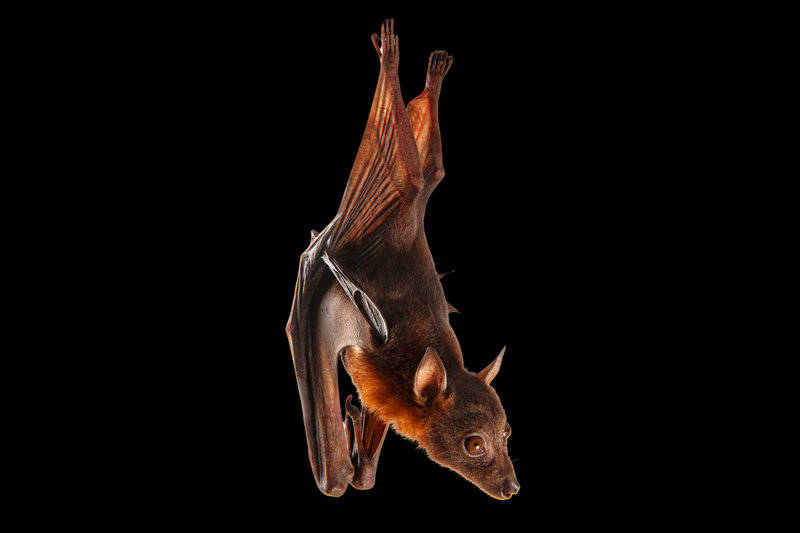
Wingspan up to 1 meter; body length about 23-29 cm, weight 600-1000 grams
COLORATION
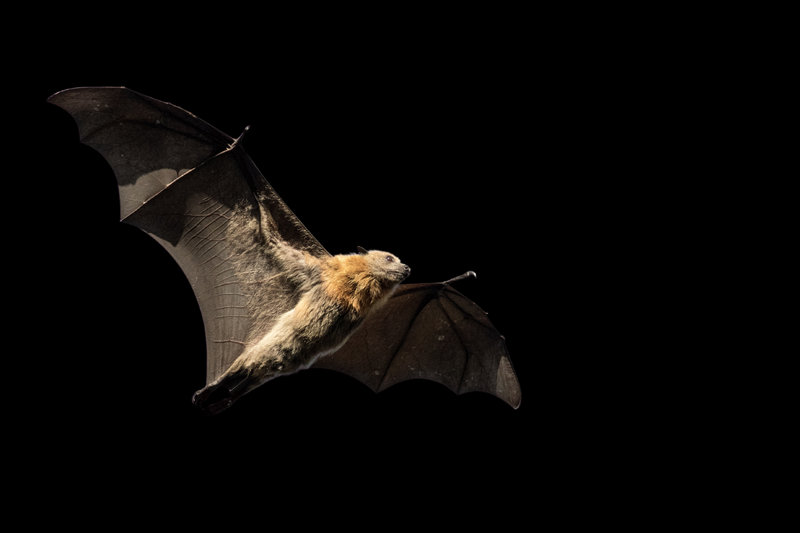
Grey fur with a reddish-brown collar around the neck, grey head, and black wings
ADAPTATIONS
Large wings for long-distance flight, sharp teeth for fruit consumption
🌿 Ecology
HABITAT
Various forests, including rainforests, eucalypt woodlands, and urban gardens
DIET
Frugivorous
GEOGRAPHIC RANGE
Eastern coast of Australia, from Victoria to Queensland
REPRODUCTION
Gives birth to a single offspring after 6-7 months gestation; young cling to mother
DIET DETAILS
Primarily feeds on native fruits, nectar, and pollen
⚠️ Threats & Conservation
PRIMARY THREATS
Habitat loss, electrocution on power lines, climate change affecting food
💡 Interesting Facts
1
Forest Regenerators: Grey-headed flying-foxes disperse 60,000 seeds nightly across Royal National Park, regenerating forests with 1 kg of fruit consumed. Their 200,000 population faces heatwaves, with 10,000 dying in extreme events, spurring urban roost protections.
2
Noisy Colonists: Forming 20,000-strong camps in Centennial Parklands, their screeches at dusk create a spectacle, pollinating 500 flowers nightly in Gordon Park. Urban sprawl and power lines threaten their colonies, yet their role in eucalyptus pollination remains vital.
🔭 Sighting Guide
📍 BEST PLACES TO SIGHT
Royal National Park in New South Wales near Sydney has Wattle Flat near Audley for flying-fox camp sightings
Centennial Parklands in New South Wales Sydney features Lachlan Swamp for flying-fox sightings at dusk
Gordon Park in Queensland Brisbane northern suburbs offers evening views of flying-foxes
🗓️ BEST TIME TO SIGHT
September-March. Spring and summer increase bat activity in urban roosts for foraging.
🎯 SIGHTING TIPS
Visit roost sites at dusk to see flying-foxes taking flight.