Home › Insecta › Apidae › Indian Giant Honey Bee (Apis dorsata)
SPECIES PROFILE
Indian Giant Honey Bee (Apis dorsata)
Apis
IUCN STATUS
Least Concern

CONSERVATION STATUS
Least Concern
CLASS
Insecta
GEOGRAPHICAL RANGE
Across India
DIET
Nectarivorous
HABITAT
Forests, cliffs, urban areas
🔬 Classification
PHYLUM
Arthropoda
CLASS
Insecta
ORDER
Hymenoptera
FAMILY
Apidae
GENUS
Apis
📋 Description
SIZE
1.5-2 cm long, 0.5-1 gram
COLORATION
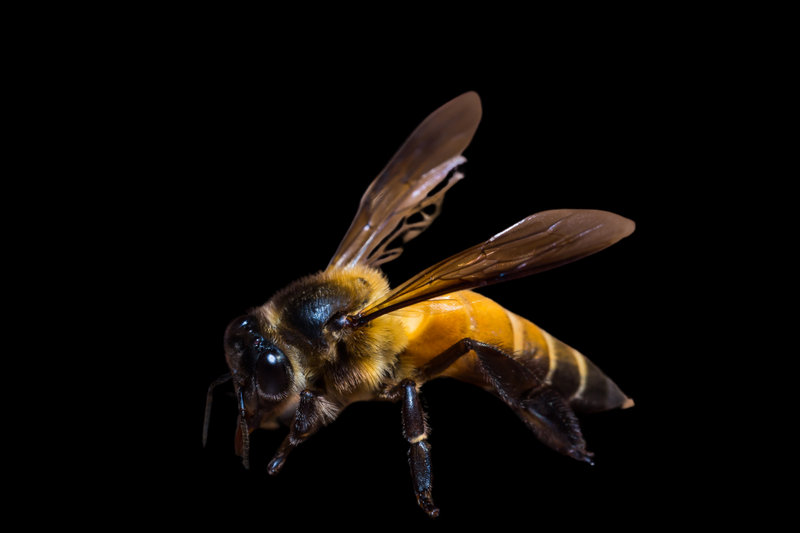
Dark brown with yellow bands
ADAPTATIONS
Large colonies, aggressive defense
🌿 Ecology
HABITAT
Forests, cliffs, urban areas
DIET
Nectarivorous
GEOGRAPHIC RANGE
Across India
REPRODUCTION
Produces one brood per year, migrates seasonally
DIET DETAILS
Nectar, pollen
⚠️ Threats & Conservation
PRIMARY THREATS
Pesticides, habitat loss
💡 Interesting Facts
1
Massive Hives: Building 1-meter hives on Sundarbans' cliffs these bees produce 50 kg of medicinal honey annually. Their 2 cm bodies pollinate 1000 flowers daily.
2
Defensive Swarms: Stinging 100 times per attack their 10000 colonies deter bears in Bandipur's forests. Habitat loss threatens their 5000 sq km forest range.
🔭 Sighting Guide
📍 BEST PLACES TO SIGHT
Sundarbans National Park in West Bengal mangrove forests host giant honey bee sightings
Bandipur National Park in Karnataka forest cliffs offer giant honey bee sightings
Jim Corbett National Park in Uttarakhand Himalayan foothills have giant honey bee sightings
🗓️ BEST TIME TO SIGHT
November-March. Dry season increases bee activity around hives.
🎯 SIGHTING TIPS
Observe hives from a distance with guides to avoid disturbing colonies.