Home › Mammalia › Soricidae › Alpine Shrew (Sorex alpinus)
SPECIES PROFILE
Alpine Shrew (Sorex alpinus)
Sorex
IUCN STATUS
Near Threatened


CONSERVATION STATUS
Near Threatened
CLASS
Mammalia
GEOGRAPHICAL RANGE
Alps & Carpathians
DIET
Insectivorous
HABITAT
Alpine meadows, rocky slopes
🔬 Classification
PHYLUM
Chordata
CLASS
Mammalia
ORDER
Eulipotyphla
FAMILY
Soricidae
GENUS
Sorex
📋 Description
SIZE
6-8 cm body, 7-11 g
COLORATION
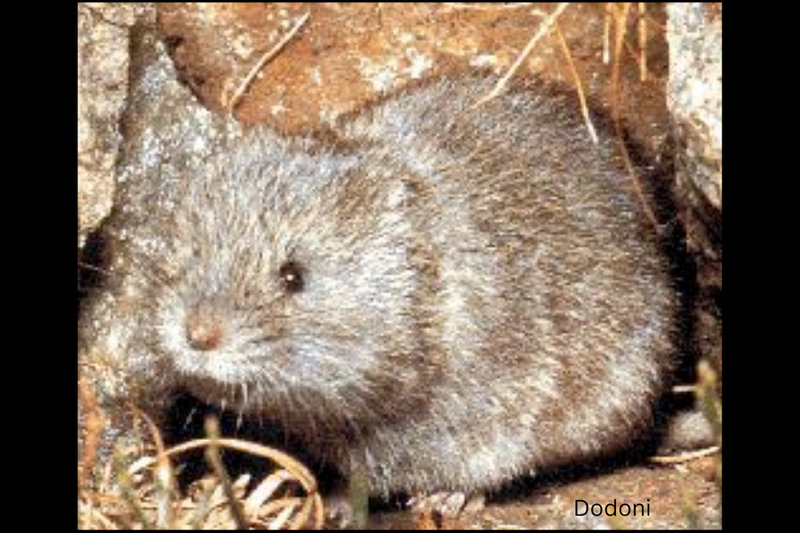
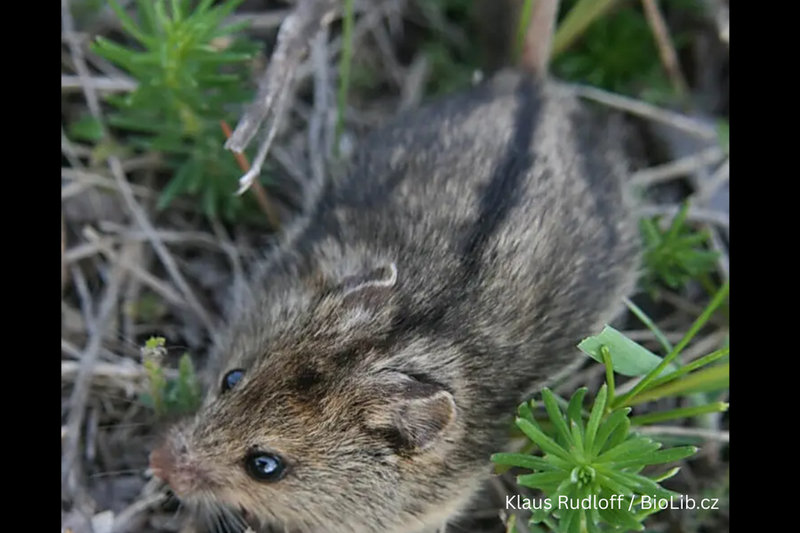
Dark brown, pale belly
ADAPTATIONS
High-altitude adaptations
🌿 Ecology
HABITAT
Alpine meadows, rocky slopes
DIET
Insectivorous
GEOGRAPHIC RANGE
Alps & Carpathians
REPRODUCTION
4-6 young
DIET DETAILS
Insects, worms
⚠️ Threats & Conservation
PRIMARY THREATS
Climate change, habitat fragmentation
💡 Interesting Facts
1
The Alpine shrew is a relict species from the last ice age, surviving only in high mountain ranges. It has adapted to cold climates with thick fur and a high metabolism. It is active both day and night in search of food.
2
Its range is highly fragmented due to climate change, making it vulnerable to extinction in many areas.
🔭 Sighting Guide
📍 BEST PLACES TO SIGHT
Hohe Tauern National Park Austria
Swiss Alps Switzerland
Tatra Mountains Slovakia
🗓️ BEST TIME TO SIGHT
Year-round
🎯 SIGHTING TIPS
Live-trapping in alpine meadows; high altitude.