Home › Aves › Campephagidae › Small Minivet (Pericrocotus cinnamomeus)
SPECIES PROFILE
Small Minivet (Pericrocotus cinnamomeus)
Pericrocotus
IUCN STATUS
Least Concern


CONSERVATION STATUS
Least Concern
CLASS
Aves
GEOGRAPHICAL RANGE
Indian subcontinent southeast Asia
DIET
Insectivorous
HABITAT
Open woodlands scrub gardens
🔬 Classification
PHYLUM
Chordata
CLASS
Aves
ORDER
Passeriformes
FAMILY
Campephagidae
GENUS
Pericrocotus
📋 Description
SIZE
16-18 cm long 10-15 g
COLORATION
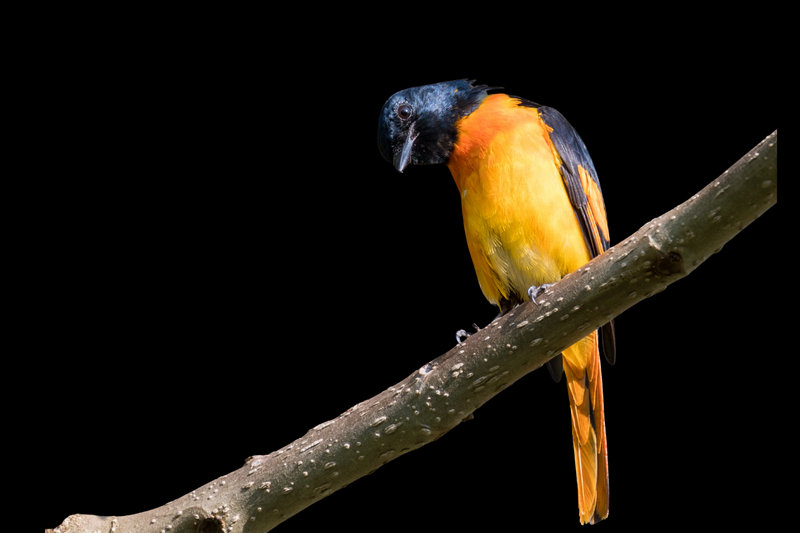
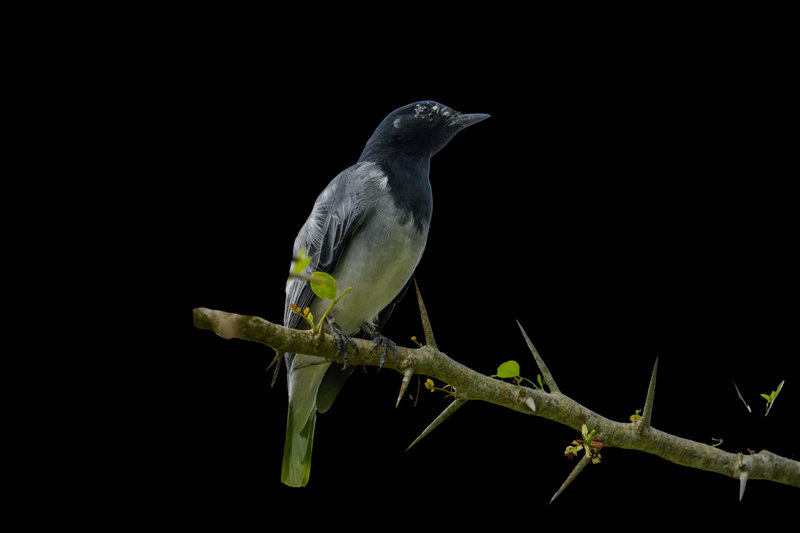
Males orange and black females grey and yellow
ADAPTATIONS
Small size for agile insect catching perches high
🌿 Ecology
HABITAT
Open woodlands scrub gardens
DIET
Insectivorous
GEOGRAPHIC RANGE
Indian subcontinent southeast Asia
REPRODUCTION
Lays 2-4 eggs in cup nests incubated 14-16 days
DIET DETAILS
Insects small invertebrates
⚠️ Threats & Conservation
PRIMARY THREATS
Pesticide use habitat loss
💡 Interesting Facts
1
Colorful Flockers: Small Minivets flit with 12-gram bodies catching 5 grams of insects daily in Tamil Nadu's woodlands. Their orange patches are striking.
2
High Perchers: These minivets cover 2000 sq km in Kerala's forests nesting in tree canopies. Deforestation threatens their foraging grounds.
🔭 Sighting Guide
📍 BEST PLACES TO SIGHT
Thattekad Bird Sanctuary in Kerala
Anamalai Tiger Reserve in Tamil Nadu
Dandeli Wildlife Sanctuary in Karnataka
🗓️ BEST TIME TO SIGHT
Year-round Forests ensure visibility for spotting minivets
🎯 SIGHTING TIPS
Watch small minivets in flocks high in tree canopies