Home › Amphibia › Pipidae › Clawed Frog (Xenopus laevis)
SPECIES PROFILE
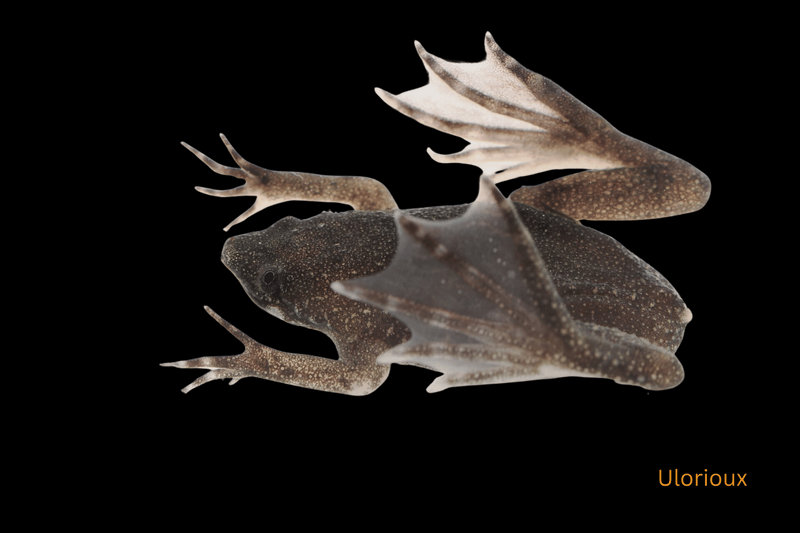
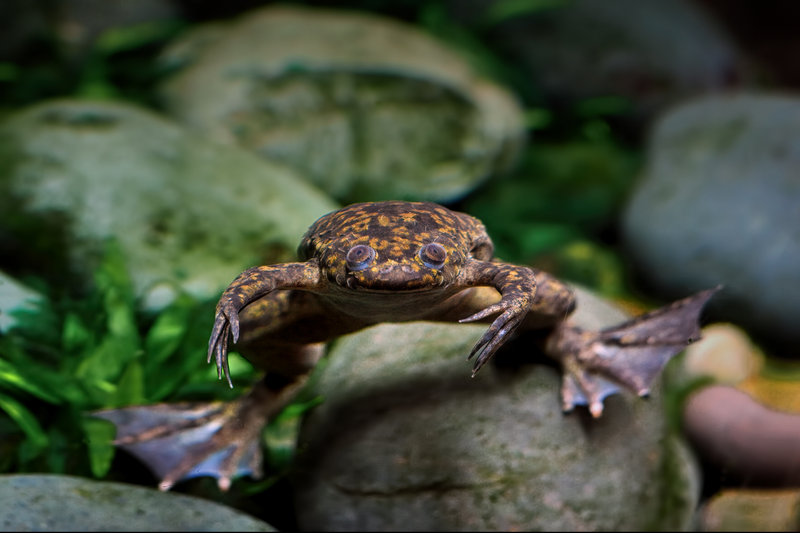
Clawed Frog (Xenopus laevis)
Xenopus
IUCN STATUS
Least Concern

CONSERVATION STATUS
Least Concern
CLASS
Amphibia
GEOGRAPHICAL RANGE
Sub-Saharan Africa; introduced elsewhere
DIET
Omnivorous
HABITAT
Ponds, rivers, lakes
🔬 Classification
PHYLUM
Chordata
CLASS
Amphibia
ORDER
Anura
FAMILY
Pipidae
GENUS
Xenopus
📋 Description
SIZE
5-13 cm, 50-200 g
COLORATION
Olive to brown; albino variants in captivity
ADAPTATIONS
Fully aquatic; clawed feet for scavenging
🌿 Ecology
HABITAT
Ponds, rivers, lakes
DIET
Omnivorous
GEOGRAPHIC RANGE
Sub-Saharan Africa; introduced elsewhere
REPRODUCTION
Hundreds of eggs; external fertilization
DIET DETAILS
Insects, small fish, detritus
⚠️ Threats & Conservation
PRIMARY THREATS
Invasive in some regions; minimal natural threats
💡 Interesting Facts
1
Pregnancy Pioneers: In the 1930s, clawed frogs were used in human pregnancy tests, ovulating when injected with pregnant women's urine, a breakthrough that made them lab stars. This quirky role in science helped millions confirm pregnancies before modern kits existed.
2
Regenerative Wonders: Young clawed frogs can regrow lost limbs, a rare amphibian trait that fades with age, hinting at evolutionary links to ancient regenerative ancestors. This ability fascinates researchers studying tissue repair in other species.
🔭 Sighting Guide
📍 BEST PLACES TO SIGHT
Okavango Delta, Botswana
Lake Malawi, Malawi
Cape Town wetlands, South Africa
🗓️ BEST TIME TO SIGHT
November-March: Wet season triggers breeding with frogs active in lake-edge pools.
🎯 SIGHTING TIPS
Check lake edges at night for calling frogs during boat tours.