Home › Mammalia › Ornithorhynchidae › Platypus (Ornithorhynchus anatinus)
SPECIES PROFILE
Platypus (Ornithorhynchus anatinus)
Ornithorhynchus
IUCN STATUS
Near Threatened

CONSERVATION STATUS
Near Threatened
CLASS
Mammalia
GEOGRAPHICAL RANGE
Eastern Australia, including Queensland, New South Wales, Victoria, and parts of South Australia
DIET
Carnivorous
HABITAT
Freshwater rivers and streams with banks for burrowing
🔬 Classification
PHYLUM
Chordata
CLASS
Mammalia
ORDER
Monotremata
FAMILY
Ornithorhynchidae
GENUS
Ornithorhynchus
📋 Description
SIZE
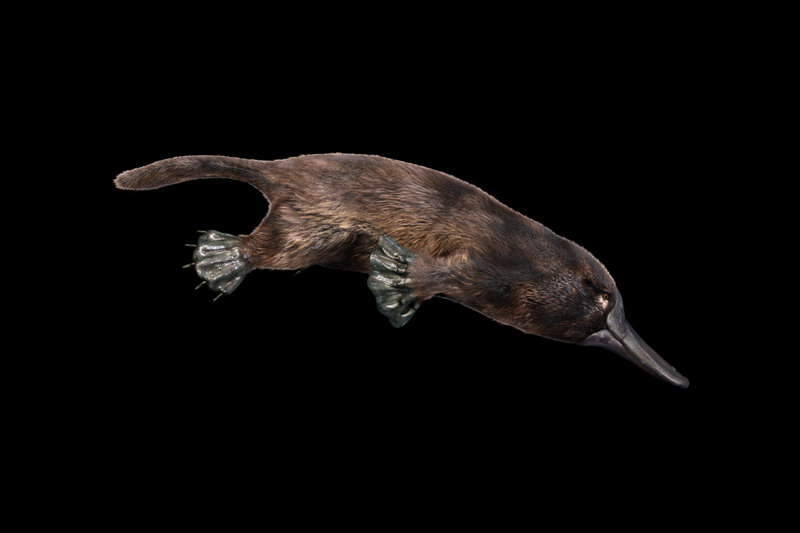
Males up to 50 cm long, including the tail; females slightly smaller. Males can weigh up to 2.7 kg, females less
COLORATION
Dark brown fur with a lighter underbelly; males have venomous spurs on hind legs
ADAPTATIONS
Bill for electroreception to locate prey, webbed feet, and a beaver-like tail
🌿 Ecology
HABITAT
Freshwater rivers and streams with banks for burrowing
DIET
Carnivorous
GEOGRAPHIC RANGE
Eastern Australia, including Queensland, New South Wales, Victoria, and parts of South Australia
REPRODUCTION
Lays eggs (ovo-viviparous), with a gestation period of about 21 days; young hatch after 10 days and are fed with milk secreted from skin patches
DIET DETAILS
Feeds on aquatic insects, larvae, crustaceans, and small fish
⚠️ Threats & Conservation
PRIMARY THREATS
Habitat destruction, pollution, loss of river health, and predation by introduced species like foxes
💡 Interesting Facts
1
Electroreceptive Divers: Platypuses use electroreception in Yarra River, detecting 50 shrimp daily with their bills, diving 30 seconds in 50 cm bodies. Their 100,000 population faces pollution, with 20% of rivers degraded, though protected parks aid survival.
2
Venomous Monotremes: Males’ venomous spurs deliver painful stings in Eungella’s streams, their egg-laying unique among mammals in Manning River. Conservation restores 100 km of riverbanks yearly, ensuring their role as insect predators, with females laying 10 eggs over a lifetime.
🔭 Sighting Guide
📍 BEST PLACES TO SIGHT
Yarra River in Victoria near Warburton and Healesville has quiet stretches for platypus sightings at dawn or dusk
Eungella National Park in Queensland near Mackay features Broken River for platypus sightings
Manning River in New South Wales has upper reaches near Wingham and Barrington Tops for platypus sightings
🗓️ BEST TIME TO SIGHT
April-October. Cooler months make platypuses more active in rivers for foraging.
🎯 SIGHTING TIPS
Visit quiet riverbanks at dawn to spot platypuses swimming.
🐾 You Might Also Want to See...

Species
Range
Status
Species
Range
Status
Species
Range
Status
Species
Range
Status