Home › Mammalia › Petauridae › Sugar Glider (Petaurus breviceps)
SPECIES PROFILE
Sugar Glider (Petaurus breviceps)
Petaurus
IUCN STATUS
Least Concern

CONSERVATION STATUS
Least Concern
CLASS
Mammalia
GEOGRAPHICAL RANGE
Eastern and northern Australia, including Tasmania, and New Guinea
DIET
Omnivorous
HABITAT
Forests, woodlands, and suburban areas with trees
🔬 Classification
PHYLUM
Chordata
CLASS
Mammalia
ORDER
Diprotodontia
FAMILY
Petauridae
GENUS
Petaurus
📋 Description
SIZE
16-21 cm long (body), plus a tail of similar length; weighs 90-150 grams
COLORATION
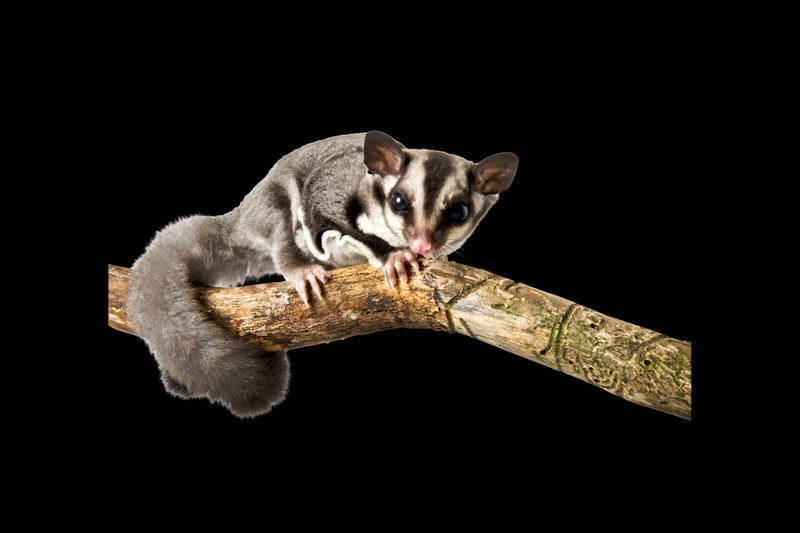
Grey with a black stripe from head to tail, white underbelly
ADAPTATIONS
Patagium (skin membrane) for gliding, prehensile tail
🌿 Ecology
HABITAT
Forests, woodlands, and suburban areas with trees
DIET
Omnivorous
GEOGRAPHIC RANGE
Eastern and northern Australia, including Tasmania, and New Guinea
REPRODUCTION
1-2 joeys born after a 15-17 day gestation, stay in pouch for about 70 days
DIET DETAILS
Feeds on nectar, sap, insects, and small vertebrates
⚠️ Threats & Conservation
PRIMARY THREATS
Habitat loss and predation by cats and owls
💡 Interesting Facts
1
Gliding Marsupials: Sugar gliders soar 50 meters between Great Otway’s trees, their 150-gram bodies sipping 20 grams of nectar nightly. Their millions-strong population, consuming 50 insects daily, faces cat predation, killing 15% yearly, though urban trees aid survival.
2
Nocturnal Feeders: In Daintree’s canopy, their prehensile tails grip branches, foraging sap in Lamington’s forests, with females birthing 10 joeys over a lifetime. Their gliding, seen in Tasmania, disperses 100 seeds monthly, supporting forest regeneration despite habitat loss.
🔭 Sighting Guide
📍 BEST PLACES TO SIGHT
Great Otway National Park in Victoria has Triplet Falls and Maits Rest dense forests for sugar glider sightings
Daintree Rainforest in Queensland Wet Tropics near Cape Tribulation offers nocturnal canopy activity for sugar glider sightings
Lamington National Park in Queensland has O'Reilly's Rainforest Retreat with night walks for sugar glider sightings
🗓️ BEST TIME TO SIGHT
September-March. Spring and summer make gliders active in forests for gliding.
🎯 SIGHTING TIPS
Join night walks with spotlights to see gliders gliding between trees.
🐾 You Might Also Want to See...

Species
Range
Status
Species
Range
Status
Species
Range
Status
Species
Range
Status