Home › Mammalia › Vespertilionidae › Gould's Wattled Bat (Chalinolobus gouldii)
SPECIES PROFILE
Gould's Wattled Bat (Chalinolobus gouldii)
Chalinolobus
IUCN STATUS
Least Concern

CONSERVATION STATUS
Least Concern
CLASS
Mammalia
GEOGRAPHICAL RANGE
Widespread across mainland Australia
DIET
Insectivorous
HABITAT
Forests, woodlands, and urban areas; roosts in tree hollows or buildings
🔬 Classification
PHYLUM
Chordata
CLASS
Mammalia
ORDER
Chiroptera
FAMILY
Vespertilionidae
GENUS
Chalinolobus
📋 Description
SIZE
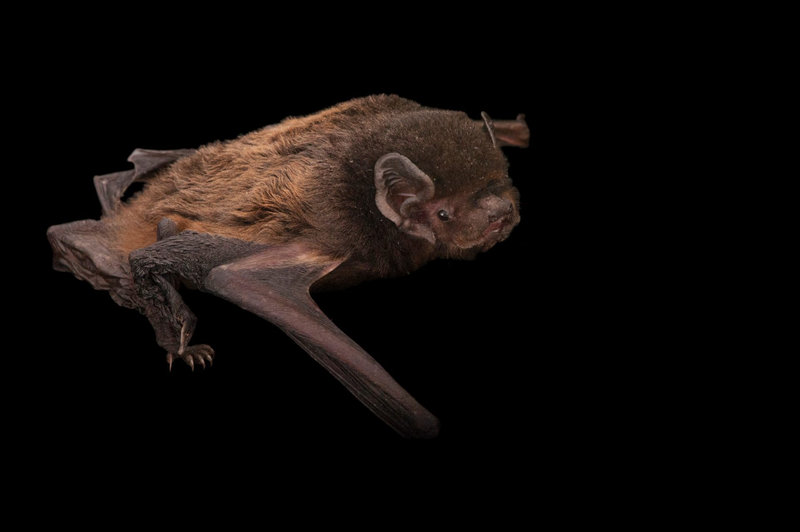
Body length 5-7 cm, wingspan 25-30 cm, weighs 7-13 grams
COLORATION
Dark brown to black fur, with slightly lighter underparts
ADAPTATIONS
Well-adapted for flight with sharp, curved claws for roosting
🌿 Ecology
HABITAT
Forests, woodlands, and urban areas; roosts in tree hollows or buildings
DIET
Insectivorous
GEOGRAPHIC RANGE
Widespread across mainland Australia
REPRODUCTION
Female gives birth to 1-2 young in summer, flight-ready at 6 weeks
DIET DETAILS
Eats flying insects like moths, beetles, and flies
⚠️ Threats & Conservation
PRIMARY THREATS
Habitat loss, roost disturbance, pesticide use affecting food
💡 Interesting Facts
1
Night Hunters: Gould’s wattled bats catch 500 moths nightly in Royal Botanic Garden, their 7-gram bodies using echolocation at 50 kHz. Their millions-strong population, roosting in 100-bat colonies, faces pesticide threats, reducing insect prey by 20%.
2
Urban Roosters: In Ku-ring-gai Chase, they hang in tree hollows, foraging at 30 km/h in Kings Park’s woodlands, with females birthing 10 pups over a lifetime. Their adaptability to urban areas ensures survival, though roost destruction impacts 15% of colonies.
🔭 Sighting Guide
📍 BEST PLACES TO SIGHT
Royal Botanic Garden in Victoria Melbourne has Yarra River areas for bat foraging at dusk
Ku-ring-gai Chase National Park in New South Wales near West Head is active for bat sightings at night
Kings Park in Western Australia Perth offers woodlands for bat sightings on evening walks
🗓️ BEST TIME TO SIGHT
September-March. Spring and summer increase bat activity in urban parks for foraging.
🎯 SIGHTING TIPS
Use bat detectors at dusk to locate roosting bats in trees.
🐾 You Might Also Want to See...

Species
Range
Status
Species
Range
Status
Species
Range
Status
Species
Range
Status