Home › Aves › Maluridae › Superb Fairy-wren (Malurus cyaneus)
SPECIES PROFILE
Superb Fairy-wren (Malurus cyaneus)
Malurus
IUCN STATUS
Least Concern

CONSERVATION STATUS
Least Concern
CLASS
Aves
GEOGRAPHICAL RANGE
Southeastern Australia, Queensland to SA, Tasmania
DIET
Insectivorous
HABITAT
Forests, woodlands, heathlands, suburban gardens with shrubs
🔬 Classification
PHYLUM
Chordata
CLASS
Aves
ORDER
Passeriformes
FAMILY
Maluridae
GENUS
Malurus
📋 Description
SIZE
14 cm long, wingspan 18-22 cm; 8-13 grams
COLORATION
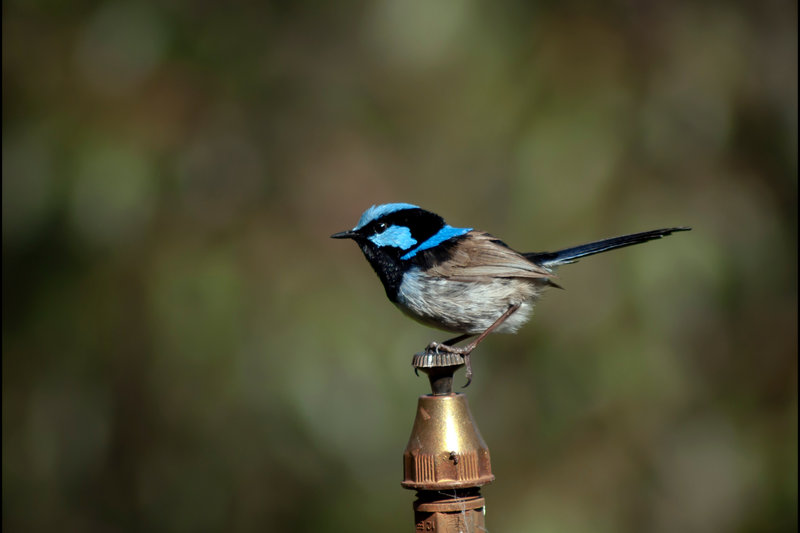
Breeding males bright blue, black throat; non-breeding/females brown, orange eye-ring
ADAPTATIONS
Agile movements for dense undergrowth, long tail cocked
🌿 Ecology
HABITAT
Forests, woodlands, heathlands, suburban gardens with shrubs
DIET
Insectivorous
GEOGRAPHIC RANGE
Southeastern Australia, Queensland to SA, Tasmania
REPRODUCTION
Lays 3-4 eggs in dome-shaped nests, incubated 14 days; fledglings leave 10-12 days
DIET DETAILS
Feeds on small insects, spiders, occasionally seeds
⚠️ Threats & Conservation
PRIMARY THREATS
Habitat fragmentation, cat predation
💡 Interesting Facts
1
Blue Brilliance: Male superb fairy-wrens molt into vibrant blue in Wilsons Promontory, their 14 cm bodies catching 30 insects daily in dense shrubs. Their millions-strong population, with cooperative groups, thrives, though cats kill 10% yearly.
2
Social Helpers: In Ku-ring-gai Chase, non-breeding males aid dominant pairs, their 13-gram bodies foraging in Mount Lofty’s gardens. Their dome nests, producing 20 fledglings over a lifetime, ensure survival, despite habitat loss reducing 15% of shrublands.
🔭 Sighting Guide
📍 BEST PLACES TO SIGHT
Wilsons Promontory National Park in Victoria has Tidal River heathlands and shrubs for fairy-wren sightings
Ku-ring-gai Chase National Park in New South Wales features West Head dense undergrowth for fairy-wren sightings
Mount Lofty Botanic Garden in South Australia Adelaide has garden bushes for fairy-wren sightings
🗓️ BEST TIME TO SIGHT
September-December. Spring breeding season makes wrens active in shrublands for displays.
🎯 SIGHTING TIPS
Visit dense shrubs at dawn to see male wrens displaying.
🐾 You Might Also Want to See...

Species
Range
Status
Species
Range
Status
Species
Range
Status
Species
Range
Status