Home › Mammalia › Herpestidae › Meerkat (Suricata suricatta)
SPECIES PROFILE
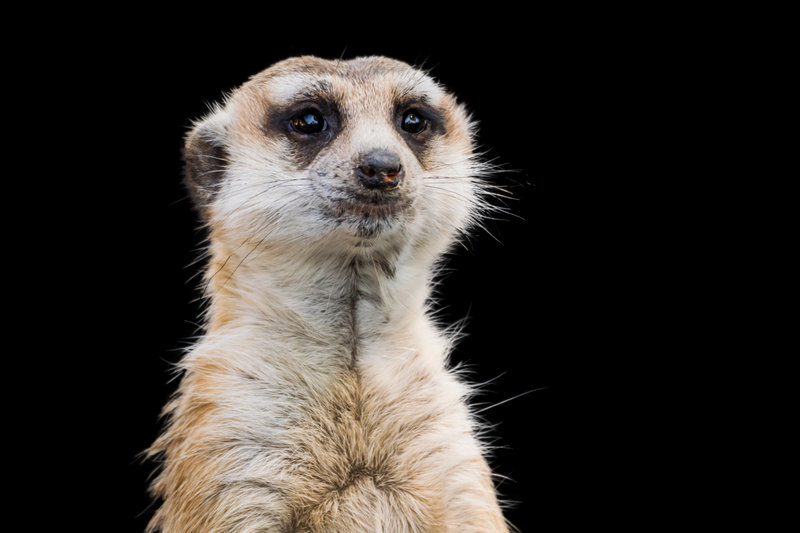
Meerkat (Suricata suricatta)
Suricata
IUCN STATUS
Least Concern

CONSERVATION STATUS
Least Concern
CLASS
Mammalia
GEOGRAPHICAL RANGE
Southern Africa
DIET
Omnivorous
HABITAT
Arid savannas, deserts
🔬 Classification
PHYLUM
Chordata
CLASS
Mammalia
ORDER
Carnivora
FAMILY
Herpestidae
GENUS
Suricata
📋 Description
SIZE
25-35 cm (body), 0.7-1 kg
COLORATION
Grey-brown with darker bands; white underbelly
ADAPTATIONS
Upright posture for sentry duty; sharp claws for digging
🌿 Ecology
HABITAT
Arid savannas, deserts
DIET
Omnivorous
GEOGRAPHIC RANGE
Southern Africa
REPRODUCTION
Gestation 11 weeks, 2-5 pups; raised communally
DIET DETAILS
Insects, small vertebrates, plants
⚠️ Threats & Conservation
PRIMARY THREATS
Predation, habitat disturbance
💡 Interesting Facts
1
Sentry System: Meerkats assign rotating sentinels to stand guard on their hind legs, scanning for predators like eagles while the group forages, barking specific alarms for different threats. This cooperative vigilance allows them to thrive in predator-rich deserts.
2
Teaching Young: Adult meerkats actively teach pups to hunt by presenting them with disabled prey, gradually increasing difficulty as skills develop, a rare example of learned behavior transmission. This education ensures the next generation's survival in harsh conditions.
🔭 Sighting Guide
📍 BEST PLACES TO SIGHT
Kgalagadi Transfrontier Park, South Africa/Botswana
Makgadikgadi Pans, Botswana
Tswalu Kalahari, South Africa
🗓️ BEST TIME TO SIGHT
May-October: Dry season increases meerkat activity at burrows for foraging.
🎯 SIGHTING TIPS
Visit burrows at dawn during guided tours to see meerkats foraging or sunning.
🐾 You Might Also Want to See...

Species
Range
Status
Species
Range
Status
Species
Range
Status
Species
Range
Status