Home › Amphibia › Microhylidae › Malaysian Treehole Frog (Metaphrynella pollicaris)
SPECIES PROFILE
Malaysian Treehole Frog (Metaphrynella pollicaris)
Metaphrynella
IUCN STATUS
Endangered

CONSERVATION STATUS
Endangered
CLASS
Amphibia
GEOGRAPHICAL RANGE
Peninsular Malaysia
DIET
Carnivorous
HABITAT
Rainforest tree cavities
🔬 Classification
PHYLUM
Chordata
CLASS
Amphibia
ORDER
Anura
FAMILY
Microhylidae
GENUS
Metaphrynella
📋 Description
SIZE
2-3 cm, 2-5 g
COLORATION
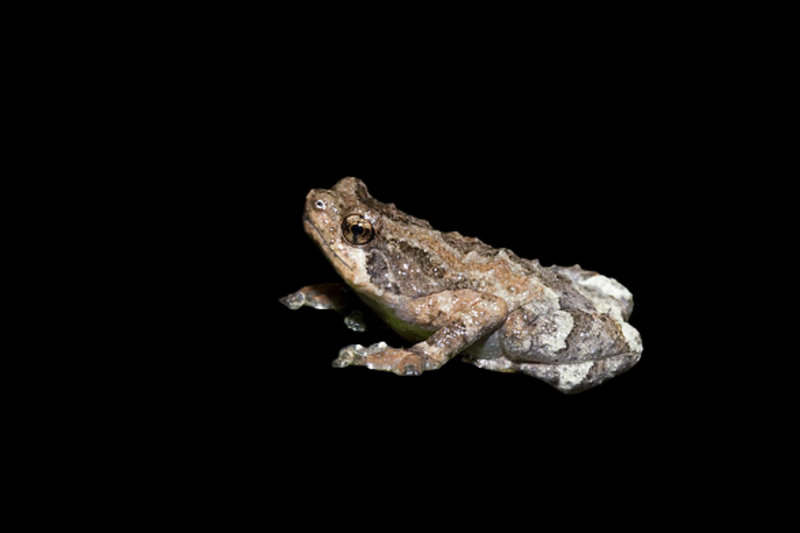
Brown to grey; mottled
ADAPTATIONS
Sticky pads for climbing; vocal sacs
🌿 Ecology
HABITAT
Rainforest tree cavities
DIET
Carnivorous
GEOGRAPHIC RANGE
Peninsular Malaysia
REPRODUCTION
Eggs in water-filled tree holes
DIET DETAILS
Small insects
⚠️ Threats & Conservation
PRIMARY THREATS
Habitat loss
💡 Interesting Facts
1
Arboreal Nurseries: These frogs breed in water-filled tree holes, where tadpoles develop safe from ground predators, a niche strategy in Malaysia's rainforests. The male's amplified croaks from these cavities attract females, creating a symphony in the forest canopy.
2
Micro Predators: Despite their tiny size, they consume vast numbers of ants and mites, controlling pest populations in fragile montane ecosystems. Their sticky toe pads allow them to cling to slick bark, ambushing prey with precision in Fraser's Hill.
🔭 Sighting Guide
📍 BEST PLACES TO SIGHT
Fraser's Hill
Taman Negara National Park
Endau-Rompin National Park
🗓️ BEST TIME TO SIGHT
June-October. Wet season triggers breeding with frogs active in tree holes.
🎯 SIGHTING TIPS
Join night walks to hear and spot frogs in tree cavities.