Home › Aves › Scolopacidae › Common Redshank (Tringa totanus)
SPECIES PROFILE
Common Redshank (Tringa totanus)
Tringa
IUCN STATUS
Least Concern

CONSERVATION STATUS
Least Concern
CLASS
Aves
GEOGRAPHICAL RANGE
Europe, Asia, Africa
DIET
Carnivorous
HABITAT
Estuaries, marshes
🔬 Classification
PHYLUM
Chordata
CLASS
Aves
ORDER
Charadriiformes
FAMILY
Scolopacidae
GENUS
Tringa
📋 Description
SIZE
27-29 cm body length, wingspan 47-53 cm, 85-170 g
COLORATION
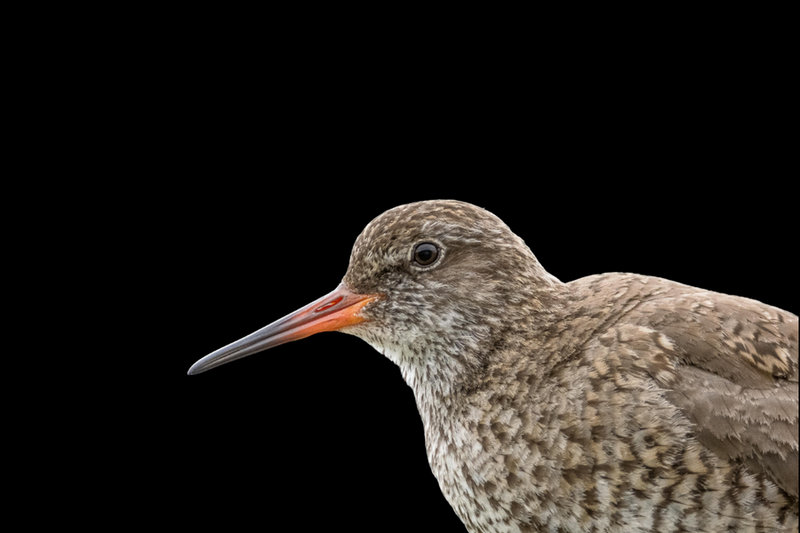
Brown upperparts, red legs, red bill base
ADAPTATIONS
Loud "tew-tew" alarm call
🌿 Ecology
HABITAT
Estuaries, marshes
DIET
Carnivorous
GEOGRAPHIC RANGE
Europe, Asia, Africa
REPRODUCTION
4 eggs, 1 brood per year
DIET DETAILS
Insects, worms, small crustaceans
⚠️ Threats & Conservation
PRIMARY THREATS
Habitat loss
💡 Interesting Facts
1
The Common Redshank has bright red legs and a loud, piping alarm call. It is common on estuaries and marshes.
2
It is a good indicator of wetland health.
🔭 Sighting Guide
📍 BEST PLACES TO SIGHT
Wadden Sea Germany
🗓️ BEST TIME TO SIGHT
Year-round
🎯 SIGHTING TIPS
Look for waders with red legs and loud alarm calls on coasts.