Home › Reptilia › Elapidae › Taipan (Oxyuranus scutellatus) - Coastal Taipan
SPECIES PROFILE
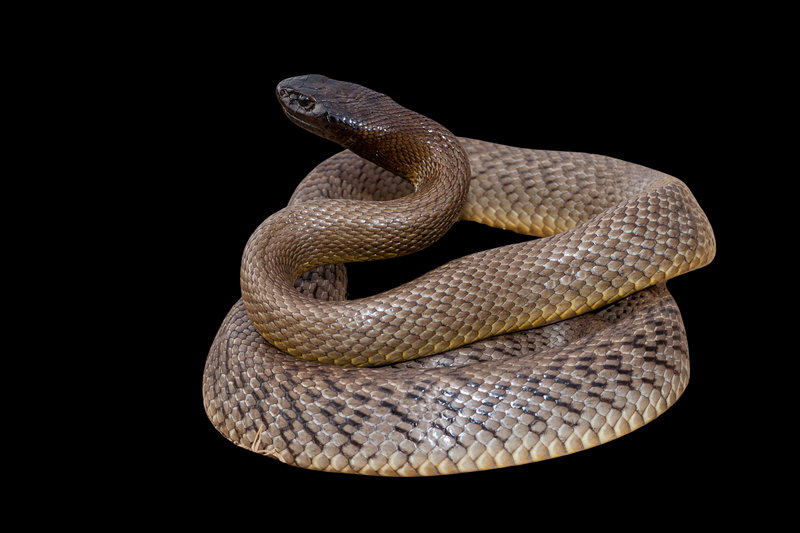
Taipan (Oxyuranus scutellatus) - Coastal Taipan
Oxyuranus
IUCN STATUS
Least Concern

CONSERVATION STATUS
Least Concern
CLASS
Reptilia
GEOGRAPHICAL RANGE
Northern and eastern Australia, Queensland and NT
DIET
Carnivorous
HABITAT
Rainforests, woodlands, and coastal regions
🔬 Classification
PHYLUM
Chordata
CLASS
Reptilia
ORDER
Squamata
FAMILY
Elapidae
GENUS
Oxyuranus
📋 Description
SIZE
Up to 2.5 meters long; weighs up to 3 kg
COLORATION
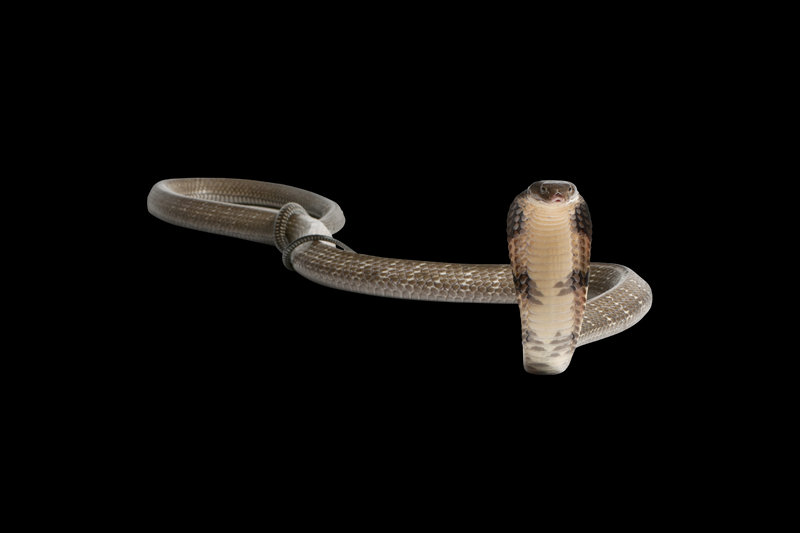
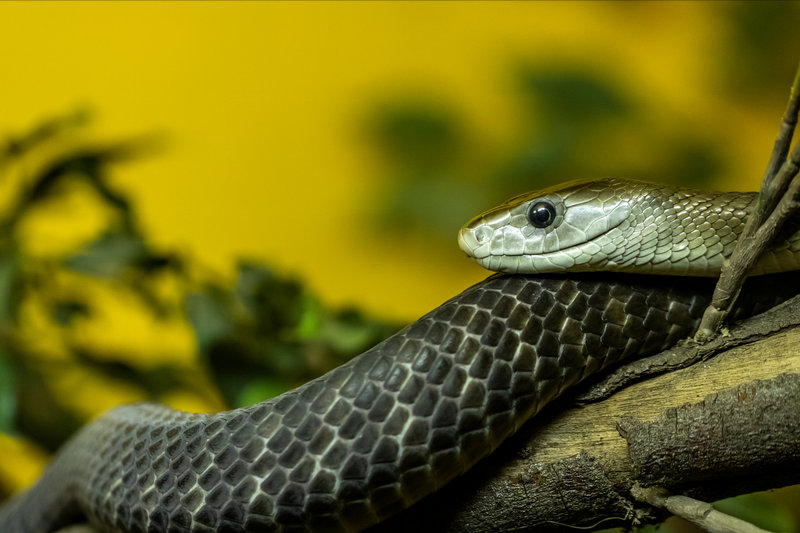
Light to dark brown, shifting seasonally; pale head, cream belly
ADAPTATIONS
Extremely potent neurotoxic venom, large fangs
🌿 Ecology
HABITAT
Rainforests, woodlands, and coastal regions
DIET
Carnivorous
GEOGRAPHIC RANGE
Northern and eastern Australia, Queensland and NT
REPRODUCTION
Lays 3-21 eggs, hatch after 60-70 days
DIET DETAILS
Primarily small mammals, especially rodents
⚠️ Threats & Conservation
PRIMARY THREATS
Habitat loss, human encounters
💡 Interesting Facts
1
Deadliest Venom: Coastal taipans deliver 10 mg of venom, the world’s most toxic, killing rodents in seconds in Daintree’s rainforests, with 2.5-meter strikes at 15 km/h. Antivenom prevents human deaths, but their millions-strong population remains a caution in northern woodlands.
2
Elusive Hunters: In Kakadu, their seasonal color shifts blend into Wet Tropics’ forests, ambushing 100 rats yearly with rapid, repeated strikes. Their shy nature, avoiding humans, ensures survival, though habitat loss threatens 20% of their coastal range.
🔭 Sighting Guide
📍 BEST PLACES TO SIGHT
Daintree Rainforest in Queensland near Cape Tribulation has rainforest edges for taipan sightings with caution
Kakadu National Park in Northern Territory features East Alligator River woodlands for taipan sightings with caution
Wet Tropics Rainforest in Queensland near Mission Beach offers coastal forests for taipan sightings with caution
🗓️ BEST TIME TO SIGHT
October-March. Wet season increases taipan activity in rainforests for hunting.
🎯 SIGHTING TIPS
Join guided walks with herpetologists to spot taipans in dense vegetation.