Home › Mammalia › Balaenopteridae › Humpback Whale (Megaptera novaeangliae)
SPECIES PROFILE
Humpback Whale (Megaptera novaeangliae)
Megaptera
IUCN STATUS
Least Concern

CONSERVATION STATUS
Least Concern
CLASS
Mammalia
GEOGRAPHICAL RANGE
East and west coasts of Australia, breeding in Great Barrier Reef and Ningaloo Reef
DIET
Carnivorous
HABITAT
Migrates from Antarctic feeding grounds to warmer Australian waters for breeding
🔬 Classification
PHYLUM
Chordata
CLASS
Mammalia
ORDER
Cetacea
FAMILY
Balaenopteridae
GENUS
Megaptera
📋 Description
SIZE
12-16 meters in length, weighing up to 40 metric tons
COLORATION
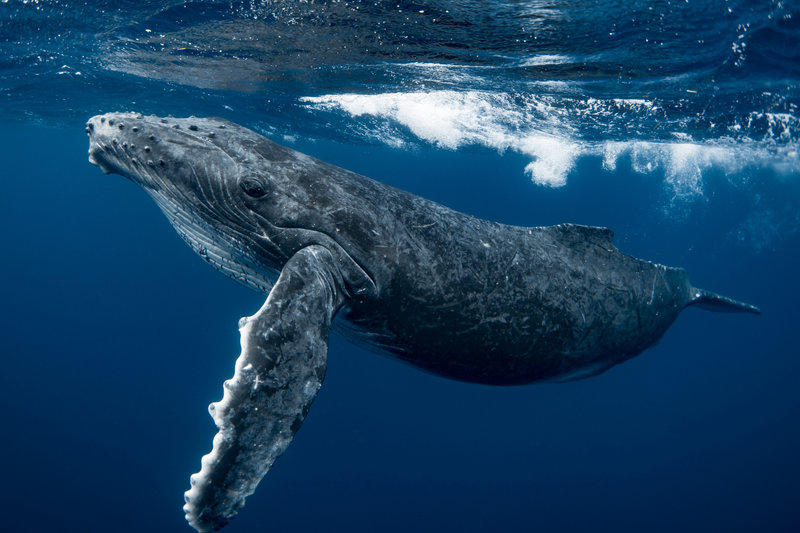
Black upper body with white underparts, flippers, and tail flukes with white markings
ADAPTATIONS
Long pectoral fins, knobby head, and unique song for communication
🌿 Ecology
HABITAT
Migrates from Antarctic feeding grounds to warmer Australian waters for breeding
DIET
Carnivorous
GEOGRAPHIC RANGE
East and west coasts of Australia, breeding in Great Barrier Reef and Ningaloo Reef
REPRODUCTION
Breeds in winter, gestation about a year; calves born in warm waters
DIET DETAILS
Feeds mainly on krill and small fish in polar waters
⚠️ Threats & Conservation
PRIMARY THREATS
Historical whaling, ship strikes, entanglement, noise pollution
💡 Interesting Facts
1
Singing Voyagers: Humpback whales’ songs travel 10 km in Hervey Bay, their 40-ton bodies breaching to communicate, with 35,000 migrating yearly. These melodies, evolving annually, aid mating, though entanglements kill 100 whales yearly, spurring rescue efforts.
2
Krill Feeders: Consuming 1 ton of krill daily in Whitsunday Islands, their 5-meter flippers herd fish in Ningaloo’s waters, supporting coral ecosystems. Conservation since 1965 has boosted their population, with calves growing 100 kg weekly in warm breeding grounds.
🔭 Sighting Guide
📍 BEST PLACES TO SIGHT
Hervey Bay in Queensland near Fraser Island is a key stopover for whale sightings from July to October
Whitsunday Islands in Queensland offer boat tours from Airlie Beach for whale sightings in winter months
Ningaloo Reef in Western Australia near Exmouth is ideal for whale sightings from June to August
🗓️ BEST TIME TO SIGHT
June-November. Winter migration brings whales to coastal waters for breeding.
🎯 SIGHTING TIPS
Join whale-watching tours at midday to see whales breaching.
🐾 You Might Also Want to See...

Species
Range
Status
Species
Range
Status
Species
Range
Status
Species
Range
Status