
Home › Insecta › Apidae › Africanized Honey Bee (Apis mellifera scutellata)
SPECIES PROFILE
Africanized Honey Bee (Apis mellifera scutellata)
Apis
IUCN STATUS
Not Evaluated (invasive in some regions)


CONSERVATION STATUS
Not Evaluated (invasive in some regions)
CLASS
Insecta
GEOGRAPHICAL RANGE
Native to East and Southern Africa; hybridized globally
DIET
Herbivorous
HABITAT
Savannas, woodlands, urban areas
🔬 Classification
PHYLUM
Arthropoda
CLASS
Insecta
ORDER
Hymenoptera
FAMILY
Apidae
GENUS
Apis
📋 Description
SIZE
1.2-1.5 cm, ~0.1 g
COLORATION
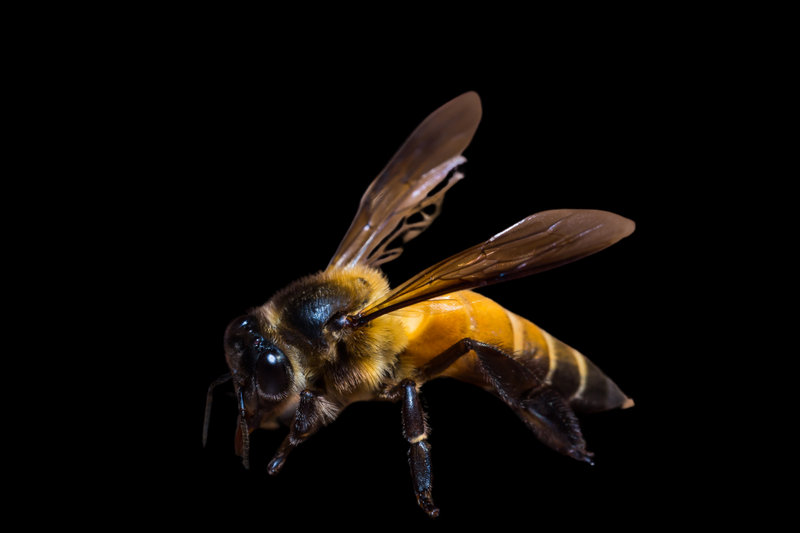
Golden-brown with black stripes
ADAPTATIONS
Aggressive defense; high swarming tendency
🌿 Ecology
HABITAT
Savannas, woodlands, urban areas
DIET
Herbivorous
GEOGRAPHIC RANGE
Native to East and Southern Africa; hybridized globally
REPRODUCTION
Queens lay thousands of eggs; colonies split
DIET DETAILS
Nectar, pollen
⚠️ Threats & Conservation
PRIMARY THREATS
None significant; managed by beekeepers
💡 Interesting Facts
1
Killer Reputation: Known as 'killer bees' they swarm aggressively when threatened, chasing intruders up to a kilometer with stings far outnumbering European bees' attacks. This ferocity stems from their African origins, bred for survival in predator-rich wilds.
2
Hybrid Takeover: Accidentally released in Brazil in 1957, they've spread across the Americas, outcompeting gentler bees with their prolific breeding and adaptability to harsh climates. Their global march showcases how a small African insect reshaped beekeeping worldwide.
🔭 Sighting Guide
📍 BEST PLACES TO SIGHT
Serengeti National Park, Tanzania
Kruger National Park, South Africa
Tsavo National Park, Kenya
🗓️ BEST TIME TO SIGHT
May-October: Dry season increases bee activity around hives in savannas.
🎯 SIGHTING TIPS
Observe hives from a distance with guides to avoid disturbing aggressive bees.


Other "Vulnerable" Species

Species
Species
Species
Species