Home › Aves › Passeridae › Eurasian Tree Sparrow (Passer montanus)
SPECIES PROFILE
Eurasian Tree Sparrow (Passer montanus)
Passer
IUCN STATUS
Least Concern

CONSERVATION STATUS
Least Concern
CLASS
Aves
GEOGRAPHICAL RANGE
Europe, Asia
DIET
Omnivorous
HABITAT
Farmland, rural gardens
🔬 Classification
PHYLUM
Chordata
CLASS
Aves
ORDER
Passeriformes
FAMILY
Passeridae
GENUS
Passer
📋 Description
SIZE
12-14 cm body, 18-28 g
COLORATION
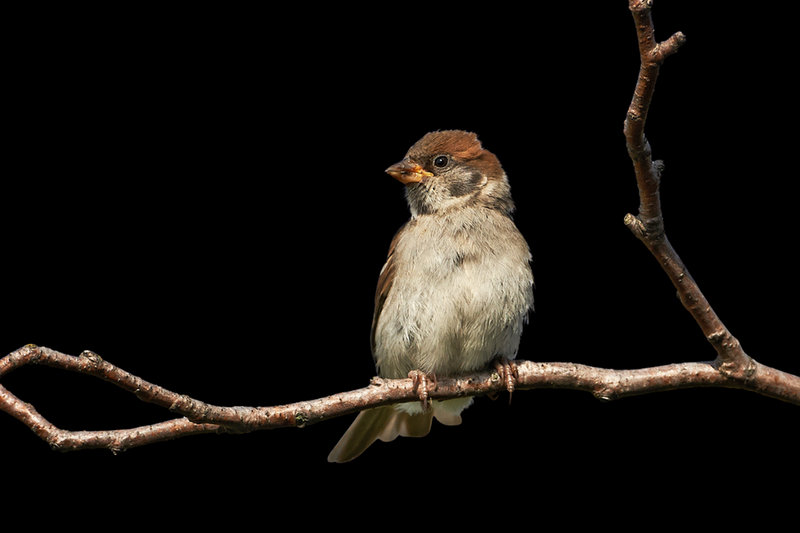
Brown crown, black cheek spot
ADAPTATIONS
Social, rural preference
🌿 Ecology
HABITAT
Farmland, rural gardens
DIET
Omnivorous
GEOGRAPHIC RANGE
Europe, Asia
REPRODUCTION
4-6 eggs, 2-3 broods per year
DIET DETAILS
Seeds, insects
⚠️ Threats & Conservation
PRIMARY THREATS
Habitat loss
💡 Interesting Facts
1
The Eurasian Tree Sparrow is smaller than the House Sparrow with a brown crown and black cheek spot.
2
It prefers rural areas and is declining in some regions.
🔭 Sighting Guide
📍 BEST PLACES TO SIGHT
Lower Saxony Germany
🗓️ BEST TIME TO SIGHT
Year-round
🎯 SIGHTING TIPS
Look for smaller sparrow with brown crown in rural areas.
🐾 You Might Also Want to See...

Species
Range
Status
Species
Range
Status
Species
Range
Status
Species
Range
Status