Home › Mammalia › Equidae › Zebra (Equus quagga)
SPECIES PROFILE
Zebra (Equus quagga)
Equus
IUCN STATUS
Near Threatened

CONSERVATION STATUS
Near Threatened
CLASS
Mammalia
GEOGRAPHICAL RANGE
East and Southern Africa
DIET
Herbivorous
HABITAT
Grasslands, savannas, woodlands
🔬 Classification
PHYLUM
Chordata
CLASS
Mammalia
ORDER
Perissodactyla
FAMILY
Equidae
GENUS
Equus
📋 Description
SIZE
2.2-2.5 m (body), 200-430 kg
COLORATION
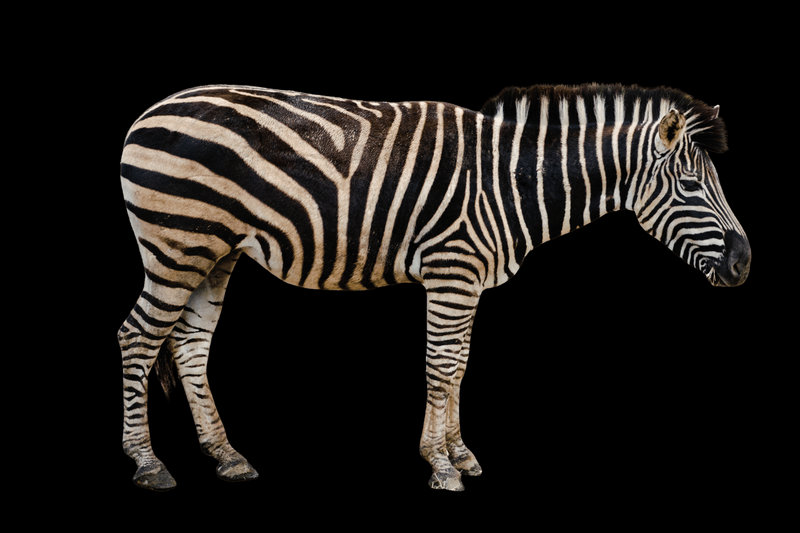
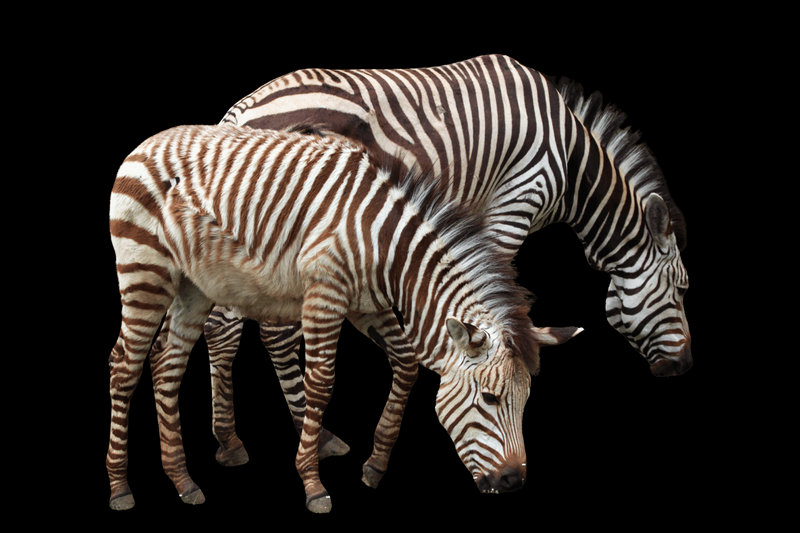
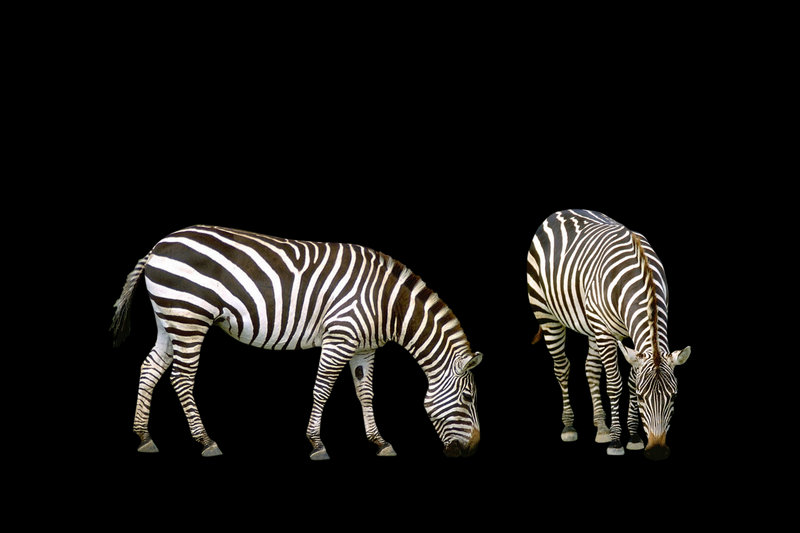
Black and white stripes, unique to each individual
ADAPTATIONS
Stripes for camouflage/confusion; strong herd instinct
🌿 Ecology
HABITAT
Grasslands, savannas, woodlands
DIET
Herbivorous
GEOGRAPHIC RANGE
East and Southern Africa
REPRODUCTION
Gestation 12-13 months, 1 foal; foal walks within an hour
DIET DETAILS
Grasses, some shrubs
⚠️ Threats & Conservation
PRIMARY THREATS
Habitat loss, hunting
💡 Interesting Facts
1
Stripe Mystery: Zebras' stripes may deter biting flies, as research shows the pattern confuses insects' landing instincts, reducing disease transmission. Each zebra's unique stripe pattern also aids in individual recognition within herds.
2
Hybrid Resilience: Zebras often mingle with wildebeest during migrations, benefiting from the latter's grazing habits while adding their keen senses to detect predators. This interspecies alliance enhances survival in the harsh savanna environment.
🔭 Sighting Guide
📍 BEST PLACES TO SIGHT
Serengeti National Park, Tanzania
Masai Mara National Reserve, Kenya
Kruger National Park, South Africa
🗓️ BEST TIME TO SIGHT
May-October: Dry season concentrates zebras around waterholes for easier viewing.
🎯 SIGHTING TIPS
Visit open plains at midday during game drives to see grazing zebra herds.