Home › Aves › Laridae › Black-headed Gull (Chroicocephalus ridibundus)
SPECIES PROFILE
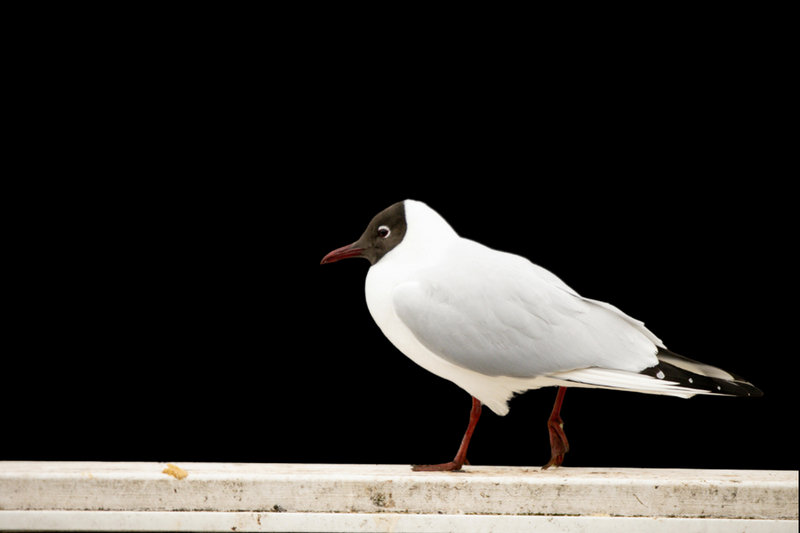
Black-headed Gull (Chroicocephalus ridibundus)
Chroicocephalus
IUCN STATUS
Least Concern

CONSERVATION STATUS
Least Concern
CLASS
Aves
GEOGRAPHICAL RANGE
Europe, Asia
DIET
Omnivorous
HABITAT
Coasts, lakes, fields
🔬 Classification
PHYLUM
Chordata
CLASS
Aves
ORDER
Charadriiformes
FAMILY
Laridae
GENUS
Chroicocephalus
📋 Description
SIZE
34-37 cm body length, wingspan 86-99 cm, 190-400 g
COLORATION
Summer: black head; winter: white head with dark spot
ADAPTATIONS
Agile, opportunistic
🌿 Ecology
HABITAT
Coasts, lakes, fields
DIET
Omnivorous
GEOGRAPHIC RANGE
Europe, Asia
REPRODUCTION
2-3 eggs, 1 brood per year
DIET DETAILS
Insects, fish, worms
⚠️ Threats & Conservation
PRIMARY THREATS
Habitat loss
💡 Interesting Facts
1
The Black-headed Gull has a dark brown (not black) head in summer. It is very adaptable and common inland.
2
It often follows ploughs to catch insects and worms.
🔭 Sighting Guide
📍 BEST PLACES TO SIGHT
Norfolk Broads UK
London parks
🗓️ BEST TIME TO SIGHT
Year-round
🎯 SIGHTING TIPS
Look for small gulls with dark heads in summer.
🐾 You Might Also Want to See...

Species
Range
Status
Species
Range
Status
Species
Range
Status
Species
Range
Status