Home › Amphibia › Salamandridae › Himalayan Newt (Tylototriton verrucosus)
SPECIES PROFILE
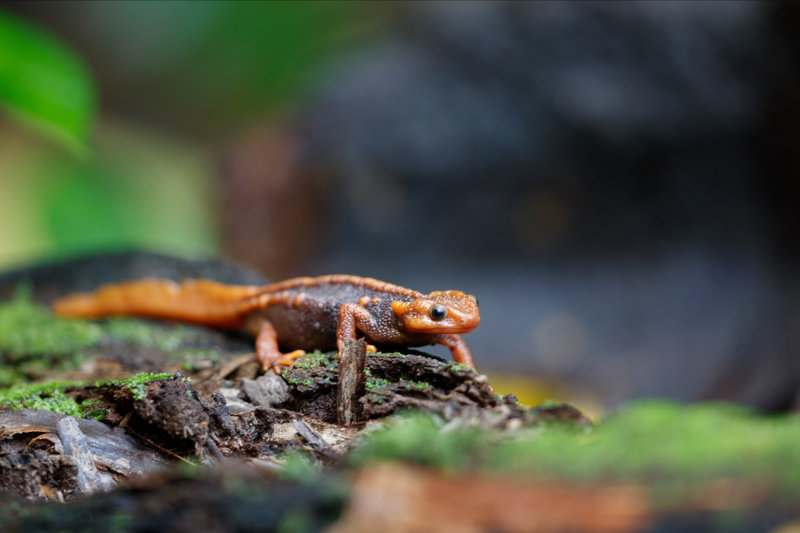
Himalayan Newt (Tylototriton verrucosus)
Tylototriton
IUCN STATUS
Vulnerable

CONSERVATION STATUS
Vulnerable
CLASS
Amphibia
GEOGRAPHICAL RANGE
Himalayas: Sikkim, Arunachal Pradesh, West Bengal
DIET
Carnivorous
HABITAT
Mountain streams, 1,500-3,000 meters
🔬 Classification
PHYLUM
Chordata
CLASS
Amphibia
ORDER
Caudata
FAMILY
Salamandridae
GENUS
Tylototriton
📋 Description
SIZE
12-15 cm long, 20-40 grams
COLORATION
Dark brown to black, orange belly
ADAPTATIONS
Warty skin, tail for swimming
🌿 Ecology
HABITAT
Mountain streams, 1,500-3,000 meters
DIET
Carnivorous
GEOGRAPHIC RANGE
Himalayas: Sikkim, Arunachal Pradesh, West Bengal
REPRODUCTION
Lays 50-100 eggs in water, larvae 3-4 months
DIET DETAILS
Insects, worms, small crustaceans
⚠️ Threats & Conservation
PRIMARY THREATS
Habitat loss, climate change
💡 Interesting Facts
1
India's Lone Salamander: With 1000 left these 15 cm newts hide in Sikkim's streams regenerating limbs. Deforestation threatens their 500 sq km wetland range.
2
Night Crawlers: Nocturnal hunters they snatch 50 insects nightly under Yumthang's rocks with toxic skin. Captive breeding in Khangchendzonga aids their survival.
🔭 Sighting Guide
📍 BEST PLACES TO SIGHT
Khangchendzonga National Park in Sikkim mountain streams host newt sightings
Yumthang Valley in Sikkim high-altitude wetlands offer newt sightings
Lachung Valley in Sikkim forested streams provide newt sightings
🗓️ BEST TIME TO SIGHT
June-September. Monsoon triggers breeding making newts more active in streams.
🎯 SIGHTING TIPS
Search near high-altitude streams at night with guides to spot newts.
🐾 You Might Also Want to See...

Species
Range
Status
Species
Range
Status
Species
Range
Status
Species
Range
Status