Home › Mammalia › Cercopithecidae › Mandrill (Mandrillus sphinx)
SPECIES PROFILE
Mandrill (Mandrillus sphinx)
Mandrillus
IUCN STATUS
Vulnerable

CONSERVATION STATUS
Vulnerable
CLASS
Mammalia
GEOGRAPHICAL RANGE
Equatorial west-central Africa
DIET
Omnivorous
HABITAT
Dense tropical rainforest
🔬 Classification
PHYLUM
Chordata
CLASS
Mammalia
ORDER
Primates
FAMILY
Cercopithecidae
GENUS
Mandrillus
📋 Description
SIZE
Up to 80 cm; males up to 35 kg
COLORATION
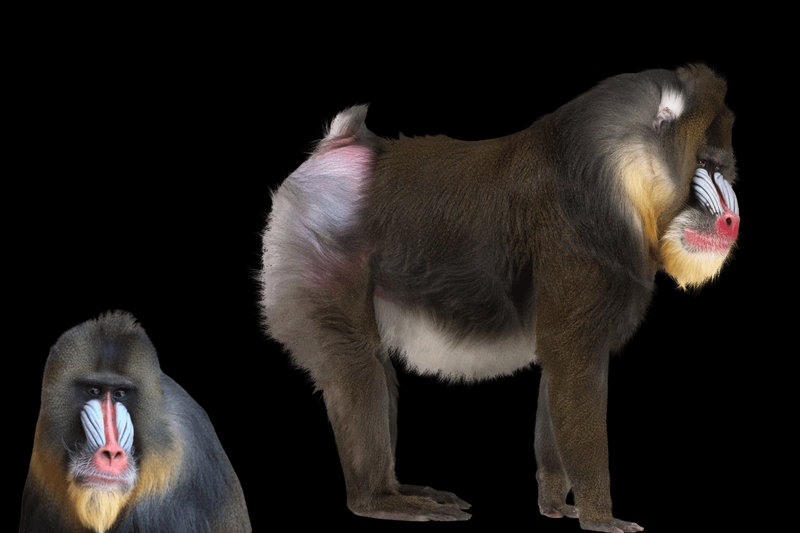
Olive body; males have a vivid red-and-blue face and rump
ADAPTATIONS
Largest monkey; brilliant colours signal male dominance
🌿 Ecology
HABITAT
Dense tropical rainforest
DIET
Omnivorous
GEOGRAPHIC RANGE
Equatorial west-central Africa
REPRODUCTION
Single infant
DIET DETAILS
Fruit, seeds, insects and small animals
⚠️ Threats & Conservation
PRIMARY THREATS
Bushmeat hunting, habitat loss
💡 Interesting Facts
1
The world's largest monkey, and among the most colourful mammals on Earth.
2
Troops can number over 1,000 individuals, the biggest gatherings of any primate.
🔭 Sighting Guide
📍 BEST PLACES TO SIGHT
Lope National Park
🗓️ BEST TIME TO SIGHT
June-September
🎯 SIGHTING TIPS
Trek forest trails with guides in Lopé; huge troops move noisily through the undergrowth.