Home › Reptilia › Elapidae › Indian King Cobra (Ophiophagus hannah)
SPECIES PROFILE
Indian King Cobra (Ophiophagus hannah)
Ophiophagus
IUCN STATUS
Vulnerable

CONSERVATION STATUS
Vulnerable
CLASS
Reptilia
GEOGRAPHICAL RANGE
Across India: Western Ghats, Northeast, Andamans
DIET
Carnivorous
HABITAT
Forests, grasslands, near water
🔬 Classification
PHYLUM
Chordata
CLASS
Reptilia
ORDER
Squamata
FAMILY
Elapidae
GENUS
Ophiophagus
📋 Description
SIZE
3-5.5 meters long, up to 10 kg
COLORATION
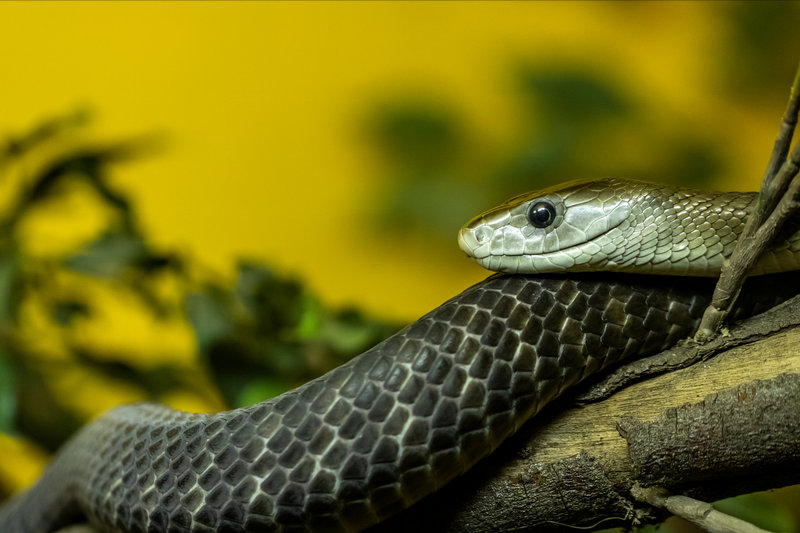
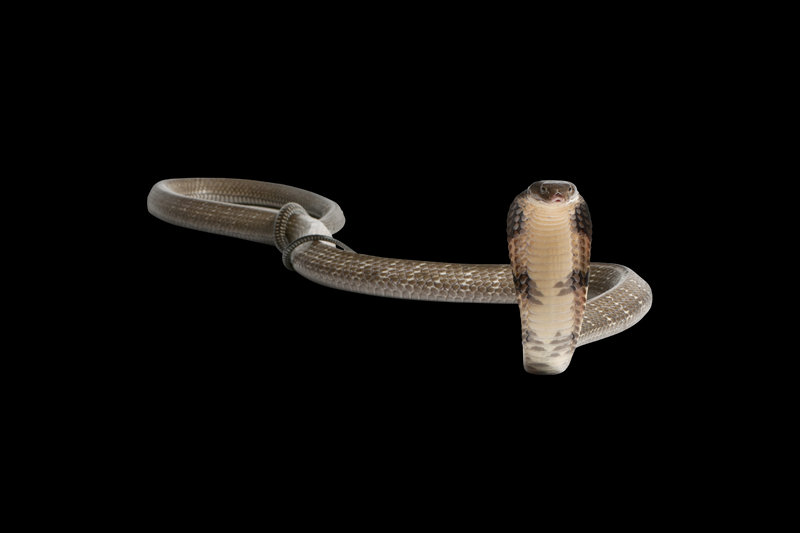
Olive-green to black, yellow bands; hood with spectacle mark
ADAPTATIONS
Potent venom, hood for threat display
🌿 Ecology
HABITAT
Forests, grasslands, near water
DIET
Carnivorous
GEOGRAPHIC RANGE
Across India: Western Ghats, Northeast, Andamans
REPRODUCTION
Lays 20-40 eggs, female guards nest, hatch 60-90 days
DIET DETAILS
Other snakes, lizards, small mammals
⚠️ Threats & Conservation
PRIMARY THREATS
Habitat loss, poaching for skin and medicine
💡 Interesting Facts
1
Nest Builders: Unique among snakes they construct leaf nests in Agumbe's forests with 1000 in India. Their 5-meter bodies deliver 1000 mg of venom.
2
Forest Monarchs: Feared in Karnataka's folklore their 12 kg bodies rear 2 meters high in Sundarbans' mangroves. Anti-venom protects their 5000 sq km rainforest range.
🔭 Sighting Guide
📍 BEST PLACES TO SIGHT
Agumbe Rainforest in Karnataka is known as king cobra capital for sightings
Sundarbans National Park in West Bengal mangrove habitat hosts king cobra sightings
Dandeli Wildlife Sanctuary in Karnataka forest offers king cobra sightings
🗓️ BEST TIME TO SIGHT
June-September. Monsoon increases king cobra activity in rainforests.
🎯 SIGHTING TIPS
Join guided night walks with herpetologists to spot king cobras in dense foliage.