Home › Insecta › Various (e.g., Miomantidae) › Praying Mantis (Miomantis spp. / others)
SPECIES PROFILE
Praying Mantis (Miomantis spp. / others)
Miomantis (and others)
IUCN STATUS
Not Evaluated

CONSERVATION STATUS
Not Evaluated
CLASS
Insecta
GEOGRAPHICAL RANGE
Widespread across Africa
DIET
Carnivorous
HABITAT
Forests, savannas, grasslands
🔬 Classification
PHYLUM
Arthropoda
CLASS
Insecta
ORDER
Mantodea
FAMILY
Various (e.g., Miomantidae)
GENUS
Miomantis (and others)
📋 Description
SIZE
2-15 cm (varies by species), 0.01-0.5 g
COLORATION
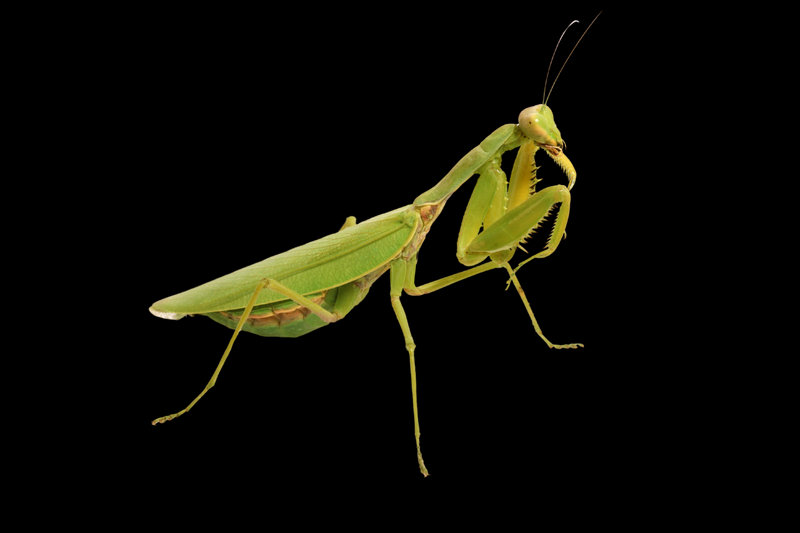
Green, brown, or camouflaged (e.g., flower-like)
ADAPTATIONS
Raptorial forelegs; head rotates 180°
🌿 Ecology
HABITAT
Forests, savannas, grasslands
DIET
Carnivorous
GEOGRAPHIC RANGE
Widespread across Africa
REPRODUCTION
Ootheca with 50-200 eggs; hatch in weeks
DIET DETAILS
Insects, small vertebrates
⚠️ Threats & Conservation
PRIMARY THREATS
None significant
💡 Interesting Facts
1
Cannibal Mates: Females often devour males during or after mating, a brutal act that provides nutrients for egg-laying, boosting offspring survival in harsh environments. This sexual cannibalism has made them icons of predatory prowess.
2
Flower Mimics: Some species mimic flowers with vivid colors, luring pollinators into their grasp, a deceptive trap that turns beauty into a deadly ambush. Their rotating heads track prey with eerie precision, enhancing this ruse.
🔭 Sighting Guide
📍 BEST PLACES TO SIGHT
Kirstenbosch Gardens, South Africa
Arabuko-Sokoke Forest, Kenya
Bwindi Impenetrable National Park, Uganda
🗓️ BEST TIME TO SIGHT
June-October: Dry season improves access to forest trails for spotting mantises.
🎯 SIGHTING TIPS
Check foliage in early morning during guided walks for hunting mantises.
🐾 You Might Also Want to See...

Species
Range
Status
Species
Range
Status
Species
Range
Status
Species
Range
Status