Home › Mammalia › Hippopotamidae › Hippopotamus (Hippopotamus amphibius)
SPECIES PROFILE
Hippopotamus (Hippopotamus amphibius)
Hippopotamus
IUCN STATUS
Vulnerable

CONSERVATION STATUS
Vulnerable
CLASS
Mammalia
GEOGRAPHICAL RANGE
Sub-Saharan Africa near water bodies
DIET
Herbivorous
HABITAT
Rivers, lakes, swamps
🔬 Classification
PHYLUM
Chordata
CLASS
Mammalia
ORDER
Artiodactyla
FAMILY
Hippopotamidae
GENUS
Hippopotamus
📋 Description
SIZE
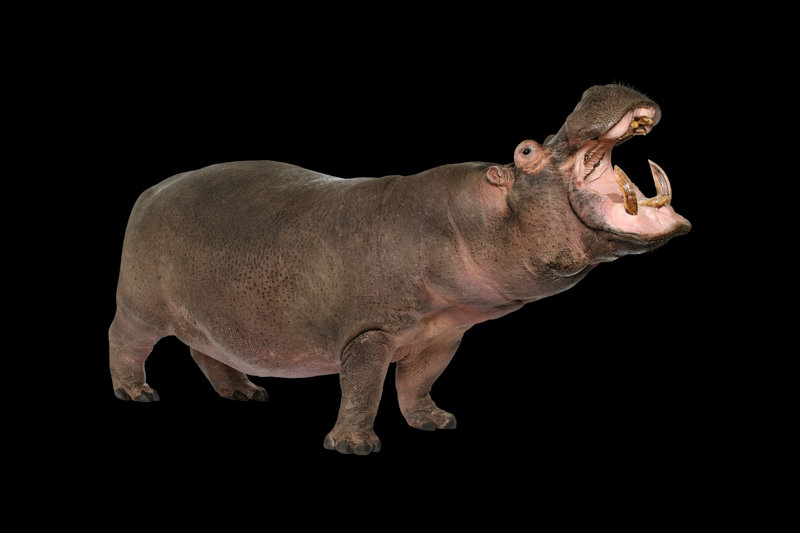
2.9-5 m, 1,300-1,800 kg (males); females slightly smaller
COLORATION
Greyish-purple skin, hairless except whiskers
ADAPTATIONS
Semi-aquatic; large canines for defense
🌿 Ecology
HABITAT
Rivers, lakes, swamps
DIET
Herbivorous
GEOGRAPHIC RANGE
Sub-Saharan Africa near water bodies
REPRODUCTION
Gestation 8 months, 1 calf; born underwater
DIET DETAILS
Grasses (up to 40 kg/night)
⚠️ Threats & Conservation
PRIMARY THREATS
Habitat loss, poaching, human conflict
💡 Interesting Facts
1
Underwater Birth: Hippo calves are born underwater and must swim to the surface for their first breath, an adaptation to their aquatic lifestyle that protects them from land predators. This process showcases their immediate resilience, as they can hold their breath for up to 40 seconds at birth.
2
Deadly Reputation: Despite being herbivores, hippos are among Africa's most dangerous animals, killing more humans annually than lions due to their territorial aggression and massive jaws. Their unpredictability and speed (up to 30 km/h on land) make them a formidable force.
🔭 Sighting Guide
📍 BEST PLACES TO SIGHT
Okavango Delta, Botswana
Lake Naivasha, Kenya
South Luangwa National Park, Zambia
🗓️ BEST TIME TO SIGHT
May-November: Dry season concentrates hippos in rivers for better viewing.
🎯 SIGHTING TIPS
Take boat safaris at dusk to observe hippo pods in South Luangwa River.
🐾 You Might Also Want to See...

Species
Range
Status
Species
Range
Status
Species
Range
Status
Species
Range
Status