Home › Aves › Ciconiidae › Marabou Stork (Leptoptilos crumenifer)
SPECIES PROFILE
Marabou Stork (Leptoptilos crumenifer)
Leptoptilos
IUCN STATUS
Least Concern

CONSERVATION STATUS
Least Concern
CLASS
Aves
GEOGRAPHICAL RANGE
Sub-Saharan Africa
DIET
Omnivorous
HABITAT
Savannas, wetlands, near human settlements
🔬 Classification
PHYLUM
Chordata
CLASS
Aves
ORDER
Ciconiiformes
FAMILY
Ciconiidae
GENUS
Leptoptilos
📋 Description
SIZE
1.2-1.5 m tall, 4-9 kg; wingspan 2.3-2.9 m
COLORATION
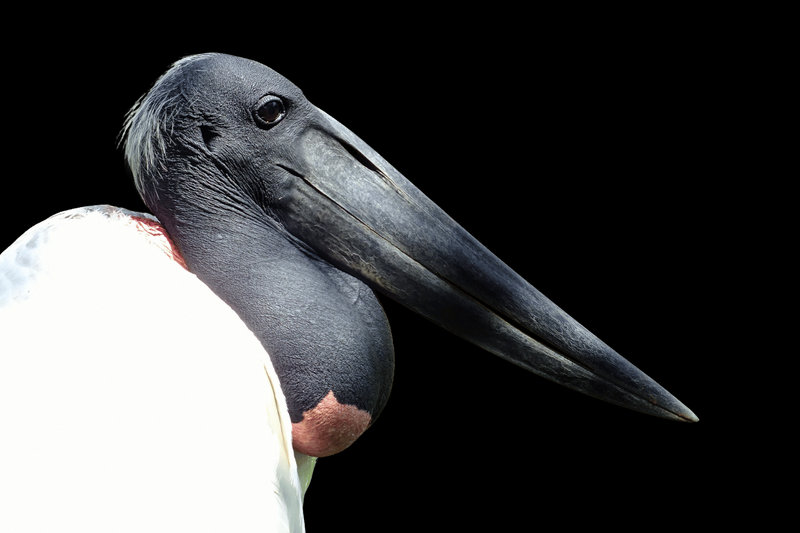
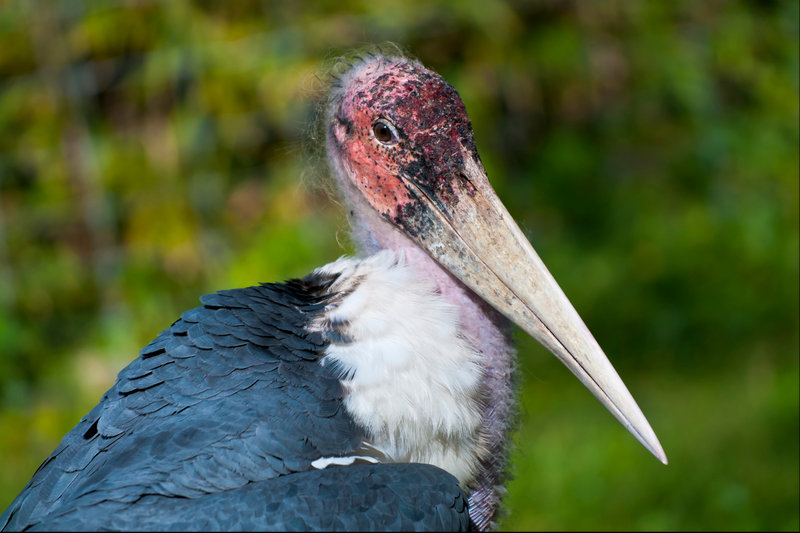
Grey-black wings, white underbelly; bald pink head
ADAPTATIONS
Large bill for scavenging; hollow bones for flight
🌿 Ecology
HABITAT
Savannas, wetlands, near human settlements
DIET
Omnivorous
GEOGRAPHIC RANGE
Sub-Saharan Africa
REPRODUCTION
2-3 eggs; incubation 30 days
DIET DETAILS
Carrion, fish, insects, refuse
⚠️ Threats & Conservation
PRIMARY THREATS
Habitat alteration, pollution
💡 Interesting Facts
1
Undertaker's Ally: Nicknamed the 'undertaker bird' for its hunched posture and grim appearance, marabou storks clean up carcasses and human waste, preventing disease spread in ecosystems. Their grotesque look belies their critical role as nature's sanitation crew.
2
Thermal Soaring: They ride thermal currents to soar at altitudes over 4,000 meters, scanning vast areas for food without flapping, a feat that conserves energy in their scavenger lifestyle. This ability lets them dominate the skies above Africa's plains and dumps.
🔭 Sighting Guide
📍 BEST PLACES TO SIGHT
Lake Mburo National Park, Uganda
Kruger National Park, South Africa
Serengeti National Park, Tanzania
🗓️ BEST TIME TO SIGHT
June-September: Dry season increases scavenging activity near lake edges.
🎯 SIGHTING TIPS
Scan lake edges at midday during boat safaris for scavenging storks.