Home › Aves › Paridae › Eurasian Blue Tit (Cyanistes caeruleus)
SPECIES PROFILE
Eurasian Blue Tit (Cyanistes caeruleus)
Cyanistes
IUCN STATUS
Least Concern

CONSERVATION STATUS
Least Concern
CLASS
Aves
GEOGRAPHICAL RANGE
Europe, western Asia
DIET
Insectivorous/Omnivorous
HABITAT
Gardens, woodlands, hedgerows
🔬 Classification
PHYLUM
Chordata
CLASS
Aves
ORDER
Passeriformes
FAMILY
Paridae
GENUS
Cyanistes
📋 Description
SIZE
10-12 cm body, 9-13 g
COLORATION
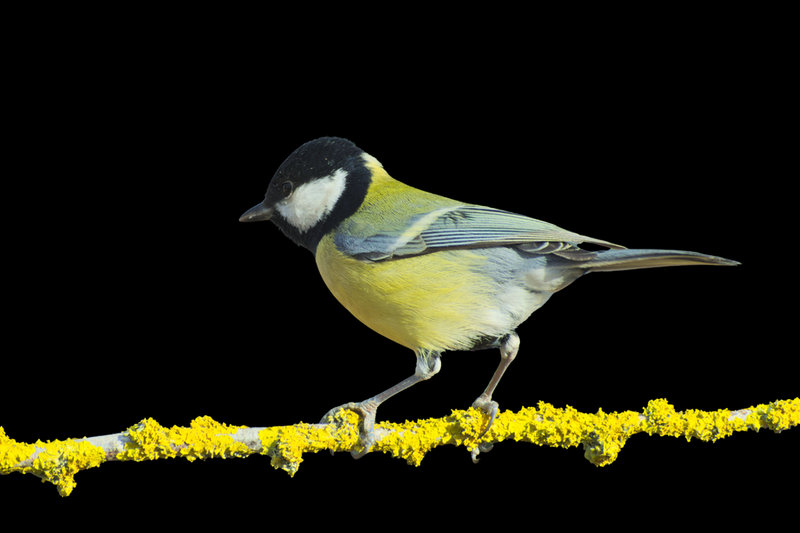
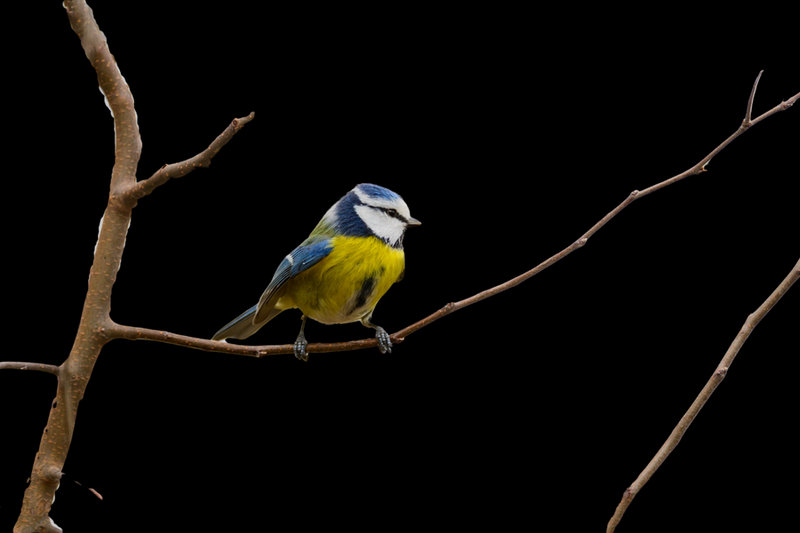
Blue crown, yellow breast, white cheeks
ADAPTATIONS
Acrobatic feeder, cavity nester
🌿 Ecology
HABITAT
Gardens, woodlands, hedgerows
DIET
Insectivorous/Omnivorous
GEOGRAPHIC RANGE
Europe, western Asia
REPRODUCTION
7-13 eggs, 1-2 broods per year
DIET DETAILS
Insects, seeds
⚠️ Threats & Conservation
PRIMARY THREATS
Habitat loss, pesticides
💡 Interesting Facts
1
The Eurasian Blue Tit is tiny and colorful with a blue crown and yellow breast. It is acrobatic and hangs upside down to feed.
2
It is one of the most common garden birds and breeds in nest boxes.
🔭 Sighting Guide
📍 BEST PLACES TO SIGHT
Black Forest Germany
🗓️ BEST TIME TO SIGHT
Year-round
🎯 SIGHTING TIPS
Look for small blue and yellow tits on garden feeders and in woods.