Home › Amphibia › Conrauidae › Goliath Frog (Conraua goliath)
SPECIES PROFILE
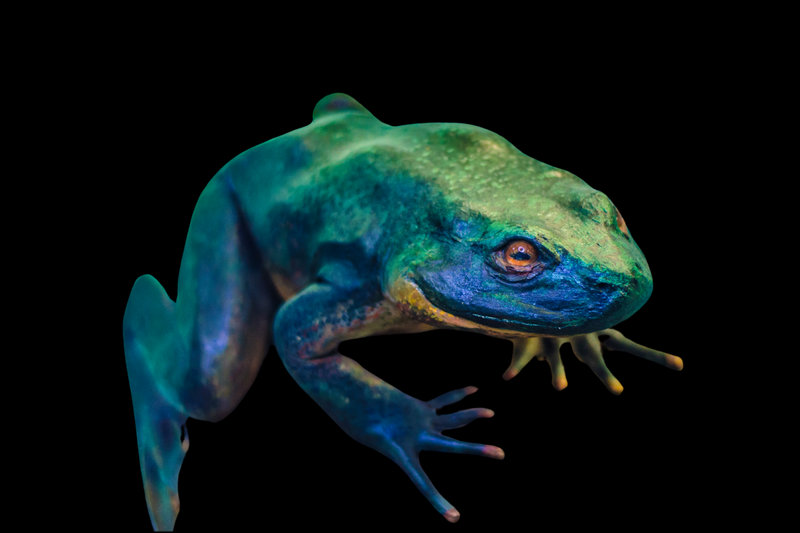
Goliath Frog (Conraua goliath)
Conraua
IUCN STATUS
Endangered

CONSERVATION STATUS
Endangered
CLASS
Amphibia
GEOGRAPHICAL RANGE
West-Central Africa (limited)
DIET
Carnivorous
HABITAT
Fast-flowing rainforest rivers
🔬 Classification
PHYLUM
Chordata
CLASS
Amphibia
ORDER
Anura
FAMILY
Conrauidae
GENUS
Conraua
📋 Description
SIZE
Up to 32 cm, 3.25 kg
COLORATION
Olive-green to brown, mottled
ADAPTATIONS
Powerful legs; large mouth
🌿 Ecology
HABITAT
Fast-flowing rainforest rivers
DIET
Carnivorous
GEOGRAPHIC RANGE
West-Central Africa (limited)
REPRODUCTION
Hundreds of eggs; tadpoles develop 85-95 days
DIET DETAILS
Insects, small frogs, mammals
⚠️ Threats & Conservation
PRIMARY THREATS
Hunting, habitat loss, pet trade
💡 Interesting Facts
1
Giant Leapers: As the world's largest frog, goliaths can leap over 3 meters in a single bound, using muscular legs to escape threats or catch prey along riverbanks. Their size and strength make them a formidable presence in their watery domain.
2
Silent Giants: Unlike most frogs, they lack vocal sacs and don't croak, relying instead on physical displays to communicate in the roar of fast rivers. This mute nature adds to their mystique, as they thrive in silence amid rushing waters.
🔭 Sighting Guide
📍 BEST PLACES TO SIGHT
Monte Alén National Park, Equatorial Guinea
Mefou National Park, Cameroon
Ebo Forest, Cameroon
🗓️ BEST TIME TO SIGHT
March-May: Wet season triggers breeding, with frogs active near rivers.
🎯 SIGHTING TIPS
Join night tours with guides to spot goliath frogs near rivers or streams.
🐾 You Might Also Want to See...

Species
Range
Status
Species
Range
Status
Species
Range
Status
Species
Range
Status